

GETTING STARTED

In this section:

Why Skills Recognition?

Skills are the building blocks, the translation piece and the common language at the intersection of learners, learning institutions and employers.

Skills are the basic units that define an economy. Everyone speaks the language of skills. Skills are:

  • Demonstrated (and supplied) by learners
  • Assessed and verified by subject matter experts (learning institutions)
  • Needed (consumed) by employers and other recognisers in pursuit of their business goals

The skills ecosystem is a dynamic and constantly evolving landscape, made up of a variety of stakeholders with the shared aim of preparing the workforce to participate in the skills-based economy.

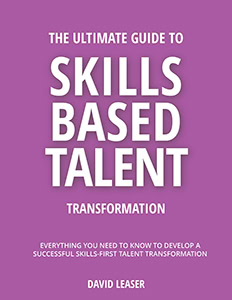
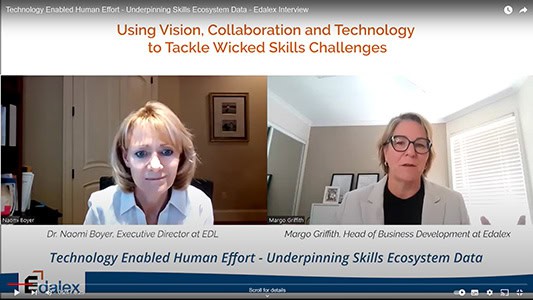
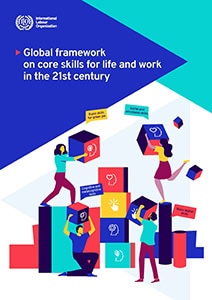
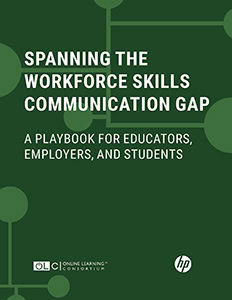
Much has been written about the role of skills in the future of work. While by no means exhaustive, some resources are included below:

Key takeaway

The importance of embracing open standards, interoperability, and a public goods mentality in building a global skills ecosystem. This approach fosters collaboration among organisations and empowers individuals by enabling them to manage and share their skills data effectively, ultimately supporting a more inclusive and skills-based economy.

Read a concise summary

Key takeaway

The importance of embracing open standards, interoperability, and a public goods mentality in building a global skills ecosystem. This approach fosters collaboration among organisations and empowers individuals by enabling them to manage and share their skills data effectively, ultimately supporting a more inclusive and skills-based economy.

Read a concise summary

Key takeaway

Highlights the transformative impact of technology and macroeconomic trends on the global workforce by 2027. While technology will create roles in areas such as AI and sustainability, traditional clerical jobs face decline. The report stresses the importance of reskilling, with a focus on adaptability, creativity, and digital literacy, as businesses prioritise internal talent development to meet future challenges. 

Read a concise summary

Key takeaway

Highlights the transformative impact of technology and macroeconomic trends on the global workforce by 2027. While technology will create roles in areas such as AI and sustainability, traditional clerical jobs face decline. The report stresses the importance of reskilling, with a focus on adaptability, creativity, and digital literacy, as businesses prioritise internal talent development to meet future challenges. 

Read a concise summary

Key takeaway

A shift to a skills-based economy can create a more inclusive and equitable workforce by focusing on demonstrable skills rather than formal degrees. This transformation requires collaboration across education, employers, and technology to ensure equitable access and opportunities for all, especially marginalised groups.

Read a concise summary

Key takeaway

A shift to a skills-based economy can create a more inclusive and equitable workforce by focusing on demonstrable skills rather than formal degrees. This transformation requires collaboration across education, employers, and technology to ensure equitable access and opportunities for all, especially marginalised groups.

Read a concise summary

Key takeaway

As AI reshapes the workforce, durable human skills like critical thinking, creativity, and emotional intelligence will be crucial. Skills wallets will emerge as vital tools, allowing individuals to manage and showcase their competencies digitally. Emphasising these skills and adopting new technologies will be essential for both individuals and organisations to thrive in a rapidly evolving job market.

Read a concise summary

Key takeaway

As AI reshapes the workforce, durable human skills like critical thinking, creativity, and emotional intelligence will be crucial. Skills wallets will emerge as vital tools, allowing individuals to manage and showcase their competencies digitally. Emphasising these skills and adopting new technologies will be essential for both individuals and organisations to thrive in a rapidly evolving job market.

Read a concise summary

Key takeaway

Skills-based hiring is crucial for organisations to remain competitive in a rapidly evolving job market. By prioritising specific skills over traditional qualifications, companies can address skill gaps, improve diversity, and enhance employee satisfaction. This approach not only future-proofs the workforce but also aligns employee strengths with organisational goals, leading to higher performance and retention.

Read a concise summary

Key takeaway

Skills-based hiring is crucial for organisations to remain competitive in a rapidly evolving job market. By prioritising specific skills over traditional qualifications, companies can address skill gaps, improve diversity, and enhance employee satisfaction. This approach not only future-proofs the workforce but also aligns employee strengths with organisational goals, leading to higher performance and retention.

Read a concise summary

Key takeaway

A connected skills ecosystem, supported by digital tools, is crucial for modern career development. By documenting and showcasing competencies through technology, individuals gain greater visibility in the job market, shifting the focus from traditional degrees to actual skills. This approach empowers individuals and aligns better with employer needs, leading to more equitable and effective talent management.

Read a concise summary

Key takeaway

A connected skills ecosystem, supported by digital tools, is crucial for modern career development. By documenting and showcasing competencies through technology, individuals gain greater visibility in the job market, shifting the focus from traditional degrees to actual skills. This approach empowers individuals and aligns better with employer needs, leading to more equitable and effective talent management.

Read a concise summary

Key takeaway

Identifies essential skills across social, cognitive, digital, and environmental domains. These skills are critical for individuals to thrive in a rapidly evolving job market and contribute to a sustainable economy. Implementing this framework globally will ensure lifelong employability and well-being for all workers.

Read a concise summary

Key takeaway

Identifies essential skills across social, cognitive, digital, and environmental domains. These skills are critical for individuals to thrive in a rapidly evolving job market and contribute to a sustainable economy. Implementing this framework globally will ensure lifelong employability and well-being for all workers.

Read a concise summary

Key takeaway

Highlights the critical role of life skills in preparing children and adolescents for success in the 21st century. By promoting holistic, inclusive, and adaptable approaches to education, the framework aims to equip young people with the cognitive, social, and emotional skills necessary for lifelong learning, personal empowerment, and active citizenship in an increasingly complex world.

Read a concise summary

Key takeaway

Highlights the critical role of life skills in preparing children and adolescents for success in the 21st century. By promoting holistic, inclusive, and adaptable approaches to education, the framework aims to equip young people with the cognitive, social, and emotional skills necessary for lifelong learning, personal empowerment, and active citizenship in an increasingly complex world.

Read a concise summary

Key takeaway

Bridging the workforce skills communication gap is essential for ensuring that students can effectively articulate their skills to employers. Institutions must align learning outcomes with workforce trends, foster collaboration with employers, and support students in developing a strong professional narrative. This approach will better prepare graduates for the job market, addressing the persistent skills mismatch.

Read a concise summary

Key takeaway

Bridging the workforce skills communication gap is essential for ensuring that students can effectively articulate their skills to employers. Institutions must align learning outcomes with workforce trends, foster collaboration with employers, and support students in developing a strong professional narrative. This approach will better prepare graduates for the job market, addressing the persistent skills mismatch.

Read a concise summary

Terminology

In this guide, there are some important terms to be familiar with (each of these will be explained more fully through the course of the guide):

Term

General definition

In this guide

Visual Reference

Skill

Knowledge, skills or abilities collectively referred to as ‘skills’. In the modern understanding of the term ‘skills,’ it is often used to describe what are also known as competencies.

What is being recognised
Skills are integral to the creation of digital credentials, as it is usually skills that are recognised upon completion of learning.

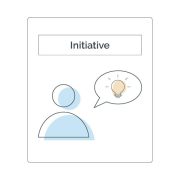
Credentialate Platform Quickstart - Terminology Skill Level Using Initiative as an Example

Elements

Specific attribute or component of the broader skill.

What is being demonstrated
A learning outcome or similar that is an element (attribute) of how the learner’s level of achievement of the skill is assessed.

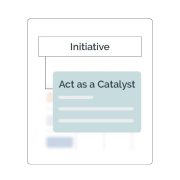
Credentialate Platform Quickstart - Terminology Sub-Competency Level Using 'Initiative' as an Example

Credential

Recognition of learning achievements, knowledge and preparedness for performing tasks. Credentials are diverse with regard to their scope, status and purpose and may represent credit or non-credit bearing awards/recognition.

What is being awarded
A digital credential comprises an Open Badges standard compliant digital badge that may include an embedded personal evidence record that displays awarded elements.

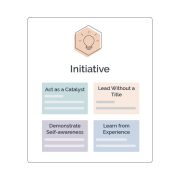
Credentialate Platform Quickstart - Terminology Credential Level Using 'Initiative' as an Example

Before You Start

Before starting the process of recognising skills in your curriculum, we want to address two aspects of skills recognition:

  1. WHAT – Conceptually organising how your skills are mapped to evidence and context – a meta-cognitive activity
  2. HOW – Deciding how you want to share the recognition of skills – an output of educational technology

The meta-cognitive activity (this guide)

This guide focusses on conceptually organising and mapping your skills data (the what) and will set you up to participate in a skills-based economy. This will enable you to provide your learners with the information, resources and evidence to be successful in a skills-based economy.

It’s important to understand that the first step is the most human-resource intensive activity… and unfortunately not one that can be completed by artificial intelligence (AI) alone, although it can help along the way.
AI Pro Tip Icon


Keep an eye out for the AI PRO TIPS for ways you can use AI to help you complete each step.

This mapping is typically a one-time activity. 

The output of educational technology

The options for the second aspect (the how) are wide and varied, and include digital badges, personal evidence records (PER), learner evidence records (LER), portraits of a graduate, smart resumes and more. All of these types of digital recognition can be stored, curated and shared in skills wallets or backpacks or used in skills talent marketplaces.

The uses of your skills data, once mapped, are endless – and continue to be innovated and developed.

Activating your skills recognition data

At the completion of this guide, we invite you to submit your skills recognition data, where we can demonstrate for you how it can be machine activated in multiple ways and enable scale and sustainability of your skills recognition projects. 

However – we can’t get to the how, until we have defined the what. What skills you are recognising, and mapping it to evidence and context.

So, let’s get started!

Scroll to Top