Skills Imperative – Part 1: Are You Risking Irrelevance?

The value of a traditional degree is under scrutiny as learners seek direct pathways to employment. Institutions that resist skills recognition face shrinking enrolments, reputational damage, and lost market opportunities. AI may help, but it can’t replace the human expertise needed to define and validate real-world skills. Without action, the cost of doing nothing will only grow. Is your university ready to adapt—or at risk of being left behind?
WEBINAR RECORDING: Skills Emergency – How Community Colleges Can Respond Leveraging Tech
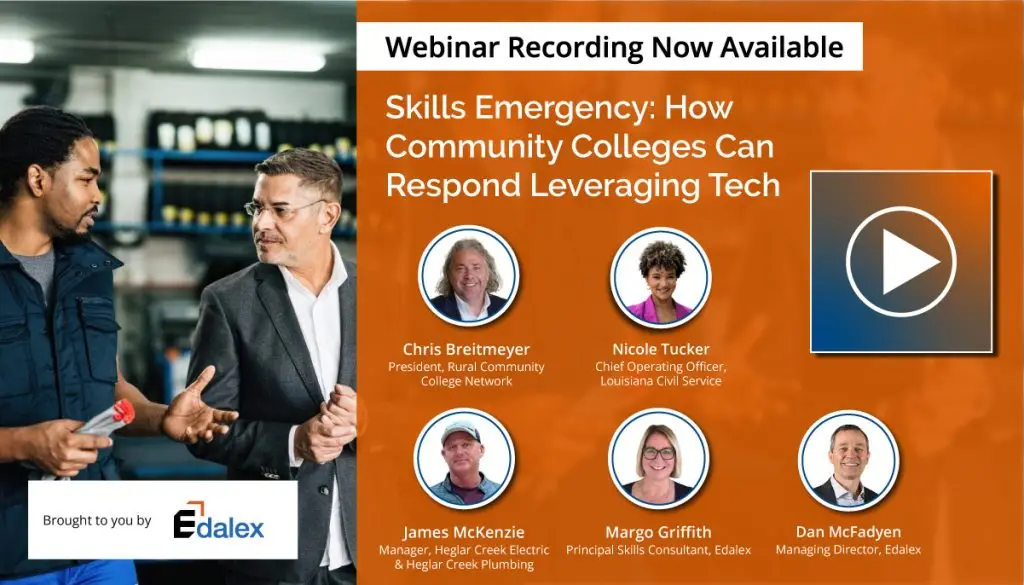
Held on 23 April 2025, this webinar explores how a state government, industry, and learners are impacted by the rise of skills and ways in which Community Colleges can respond to the looming skills emergency leveraging technology.
Tools That Empower Learner-Centric Skills Recognition
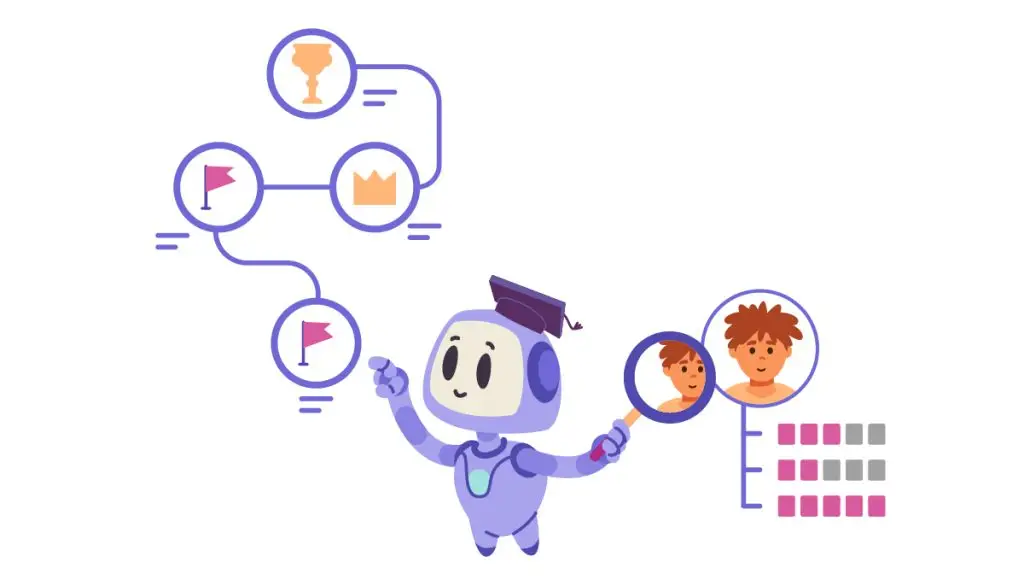
Empowering a learner-centric approach requires robust systems to make skills visible and transferable. Traditional LMS and badge agents have limitations, necessitating advanced solutions like Credentialate and openRSD. These tools create essential “data plumbing,” bridging learning, skills frameworks, and employer needs. AI further enhances this by analysing curricula to extract and align skills, ensuring a seamless education-to-employment transition.
How Technology Can Help Unlock Human Potential

Technology plays a crucial role in helping people reach their full potential. By shifting from traditional, course-based education to skills-based learning, learners can showcase skills rather than just grades. At Edalex, we believe technology is the key to unlocking human potential, enabling learners to effectively communicate their skills to employers. As education evolves, embracing digital tools like Learner Evidence Records (LERs) will empower individuals to succeed in a dynamic job market.
Why Must Students Wait for Graduation to Own Their Learning Credentials?

Why wait for graduation to own learning credentials? Recognising and credentialing skills as they’re learned empowers learners, fostering growth, resilience, and equitable access to opportunities in a dynamic world.
Unsticking the Messy Middle: Collaboration is Key in Unraveling Complex Challenges
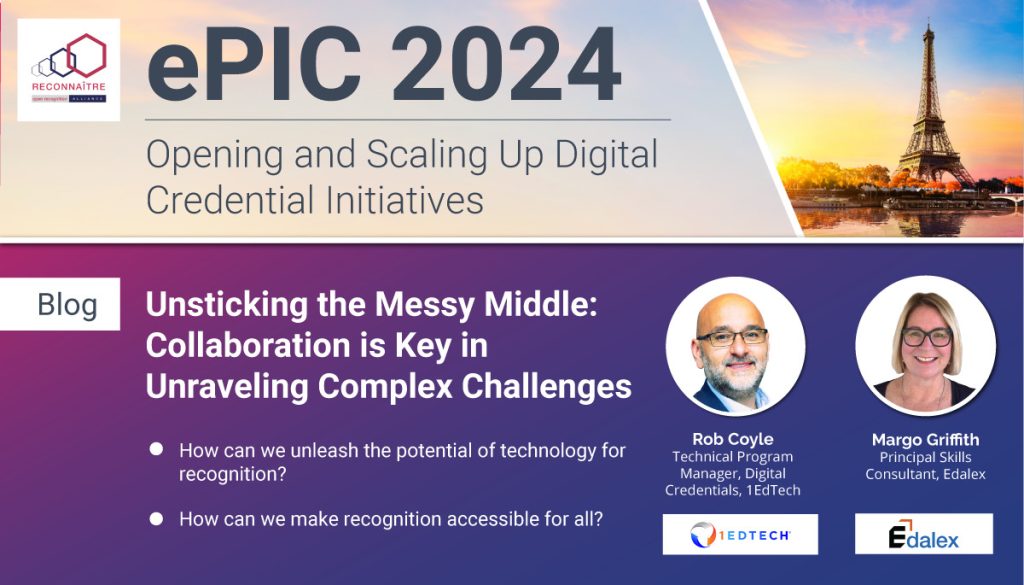
Collaboration is key to navigating the complexities of the skills-first movement. By fostering collaboration and embracing a holistic approach, we can create a future where everyone has the opportunity to learn, grow, and achieve their full potential.
All Learning Counts: Recognising Lifelong Learning

All Learning Counts advocates for recognising all forms of learning—formal, informal, and non-formal—as essential to personal growth and employability. Tools like Recognition of Prior Learning (RPL), Personal Evidence Records (PERs), and AI-powered skills assessment are advancing skill validation beyond traditional resumes or transcripts.
Embracing diverse experiences can bridge skills gaps, promote inclusivity, and support a future where every learning journey is valued, ensuring fairer access to opportunities.
WEBINAR RECORDING: How Community Colleges Can Address Skills Gaps, Make Invisible Data Visible and Increase Learner Agency
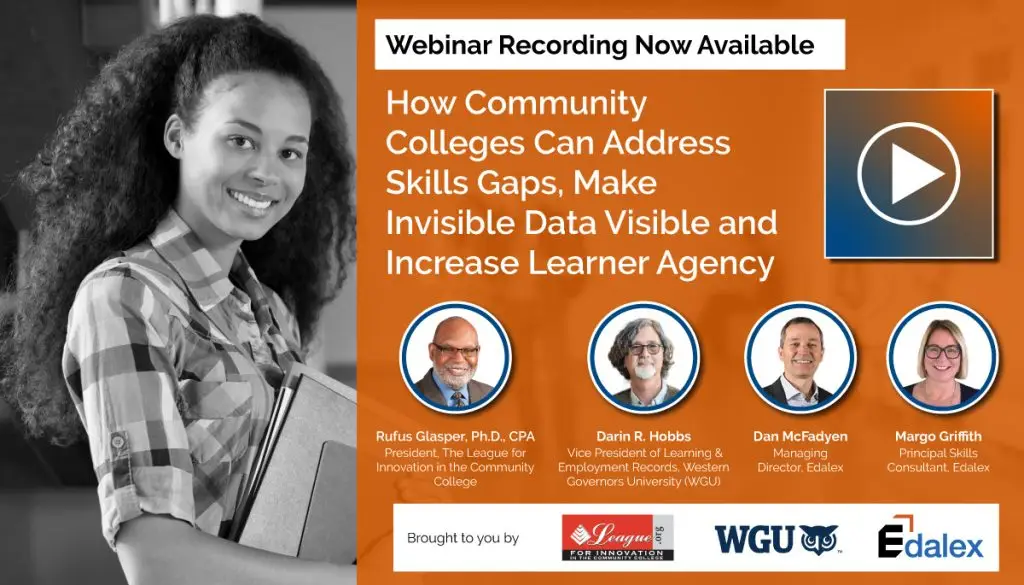
Held on 31 July, this informative and practical webinar shares a roadmap to skills visibility and recognition, and provide an overview of the technology solutions that can enable community colleges to act swiftly and at scale to address skills gaps.
WEBINAR RECORDING – Skills Wallet Solution Providing Students With Employment and Skills Progression Pathways
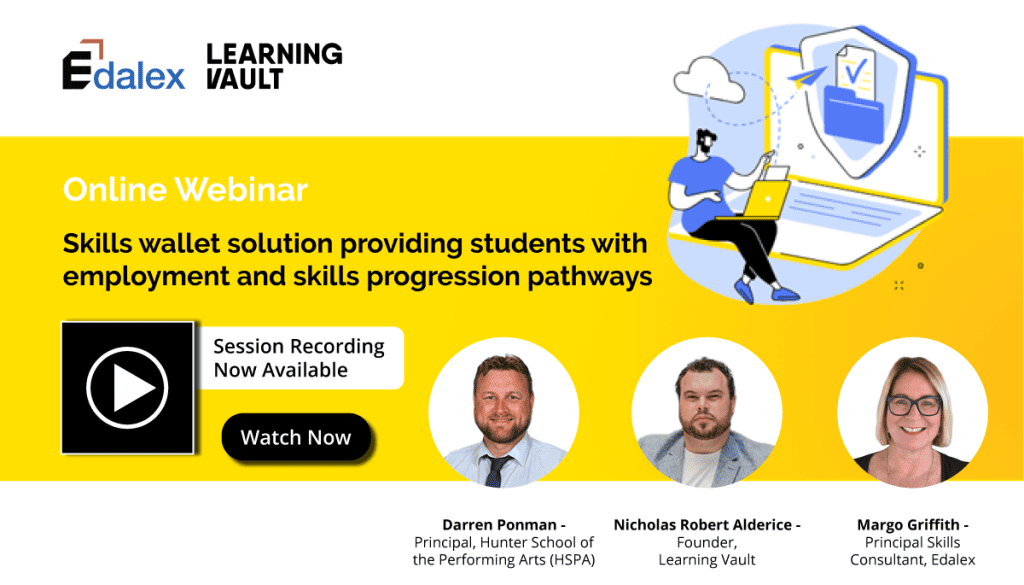
Watch Nicholas Robert Alderice, the CEO of Learning Vault, Margo Griffith, Principal Skills Consultant of Alex, and Darren Ponman, Principal of Hunter School of the Performing Arts (HSPA), as they delve into the journey of the Learner Dashboard solution from ideation to implementation.