
Navigating AI’s Impact on Education, Workforce, and the Future of Skills Recognition
In this interview, Dan McFadyen and Ray Fleming dive into the future of AI in education and the workforce. They discuss why human skills like critical thinking are more vital than ever, the transition from degrees to skill-based credentials, and how organisations can move from simple productivity to transformative business models while prioritising human connection.
From Badges to Trust: The Future of Learning and Unlocking Potential with Open Recognition
In this interview, Dan McFadyen and Don Presant discuss open recognition, evolving from digital badges to broader trust systems. Don highlights open recognition’s importance in validating learning, performance, and community involvement. He explains how it encapsulates stories in badges, unlocking opportunities in careers and learning. They delve into how Learning Agents assists organisations in deploying digital credentials, helping to overcome challenges by providing flexible recognition frameworks. The conversation also touches on the difficulty of assessing “durable skills” and the potential of platforms like SkillsAware to assist individuals in articulating their capabilities.
Elevating Your Digital Badges: Why My eQuals Users Need Credentialate
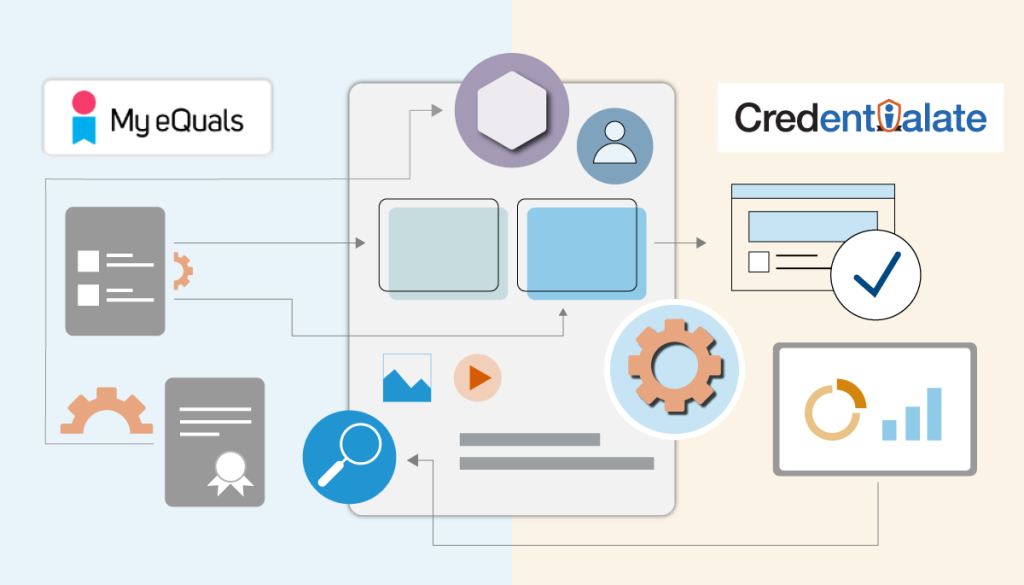
Credentialate enhances My eQuals Badges with verifiable skills, dynamic evidence, industry alignment, and automated workflows. Through the Personal Evidence Record, institutions can deliver richer, more meaningful digital badges that clearly articulate learner achievement.
A Comprehensive Guide to Competency-Based Education (CBE)
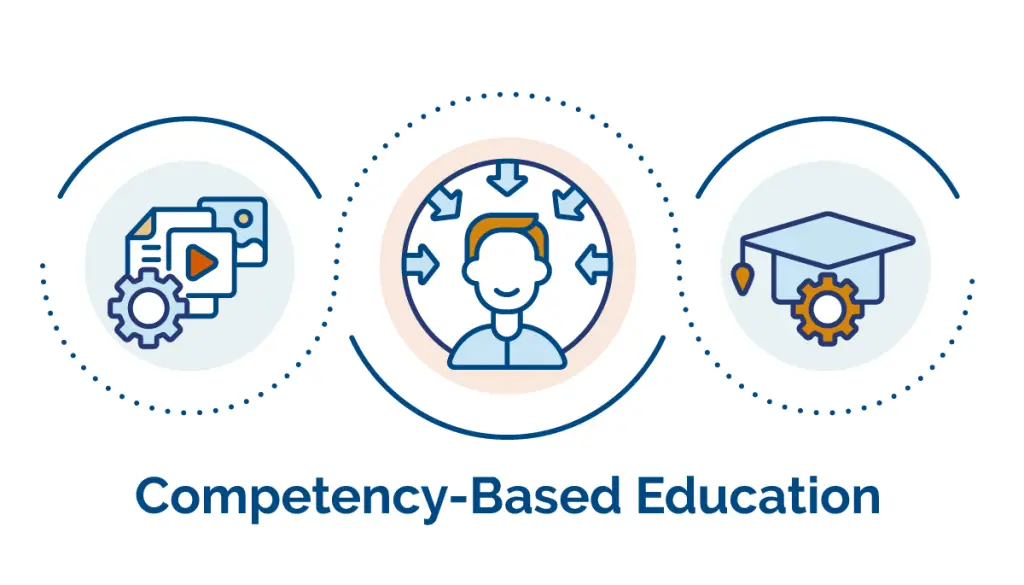
Competency-Based Education (CBE) is reshaping the educational landscape by prioritising skill mastery over time spent in the classroom. As the demand for adaptable, work-ready graduates grows, CBE offers flexible, learner-centric pathways that prepare individuals for the modern job market. This in-depth Credentialate guide explores: What is competency-based education and how does it differ from traditional learning models? What benefits does CBE offer learners and institutions? How do employers view CBE graduates and their skill sets? What role does technology play in enabling and scaling CBE? And what does the future hold for competency-based education and lifelong learning?
Skills Imperative – Part 2: Are You Missing Out on Big Opportunities?

Evidence-backed skills recognition doesn’t just reduce risk – it unlocks powerful opportunities. From boosting retention to attracting lifelong learners and expanding into transnational education, institutions that validate and showcase learner competencies are seeing real impact. Learn how Credentialate and SkillsAware provide the infrastructure and tools to deliver, recognise, and scale skills-based learning across diverse learner groups.
Skills Imperative – Part 1: Are You Risking Irrelevance?

The value of a traditional degree is under scrutiny as learners seek direct pathways to employment. Institutions that resist skills recognition face shrinking enrolments, reputational damage, and lost market opportunities. AI may help, but it can’t replace the human expertise needed to define and validate real-world skills. Without action, the cost of doing nothing will only grow. Is your university ready to adapt—or at risk of being left behind?
Community Colleges – Now, Tomorrow, and Into a Skills-Based Future

Community colleges have long served as vital hubs for accessible education and workforce development. Adapting to the evolving job market, they are increasingly embracing skills-based learning. This shift prioritises practical skills and industry alignment, preparing learners for a future where skills are paramount. In this information-rich Credentialate guide, we explore: How are community colleges adapting to skills-based learning? What role do CTE programs play in this adaptation? How do community colleges address the skills gap? What is the significance of micro and macro industry alignment? How are community colleges facilitating tech enablement of learners? What is the future of community colleges in a skills-based ecosystem?
Tools That Empower Learner-Centric Skills Recognition
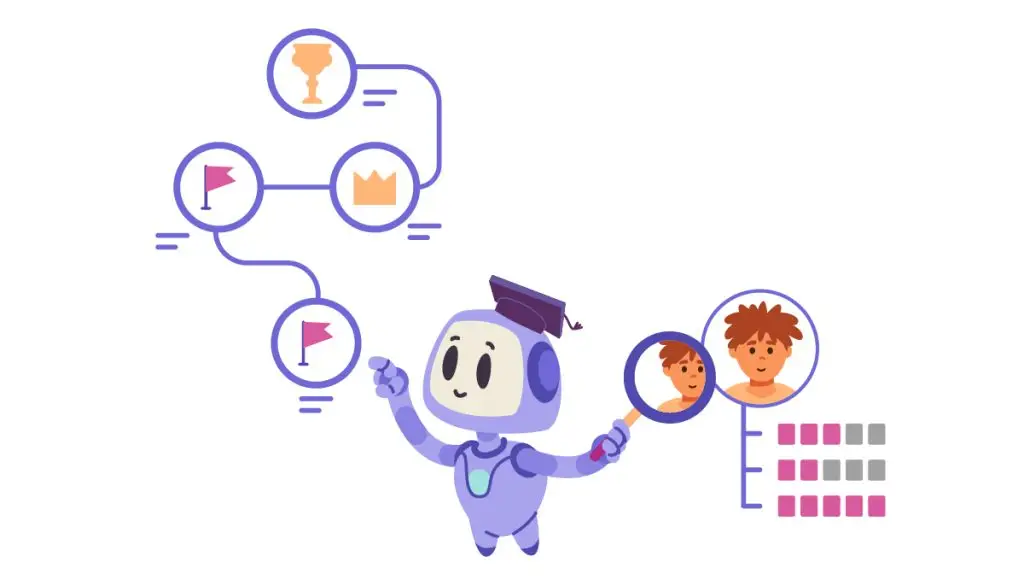
Empowering a learner-centric approach requires robust systems to make skills visible and transferable. Traditional LMS and badge agents have limitations, necessitating advanced solutions like Credentialate and openRSD. These tools create essential “data plumbing,” bridging learning, skills frameworks, and employer needs. AI further enhances this by analysing curricula to extract and align skills, ensuring a seamless education-to-employment transition.
How Technology Can Help Unlock Human Potential

Technology plays a crucial role in helping people reach their full potential. By shifting from traditional, course-based education to skills-based learning, learners can showcase skills rather than just grades. At Edalex, we believe technology is the key to unlocking human potential, enabling learners to effectively communicate their skills to employers. As education evolves, embracing digital tools like Learner Evidence Records (LERs) will empower individuals to succeed in a dynamic job market.
The Ultimate Guide to the Portrait of A Graduate
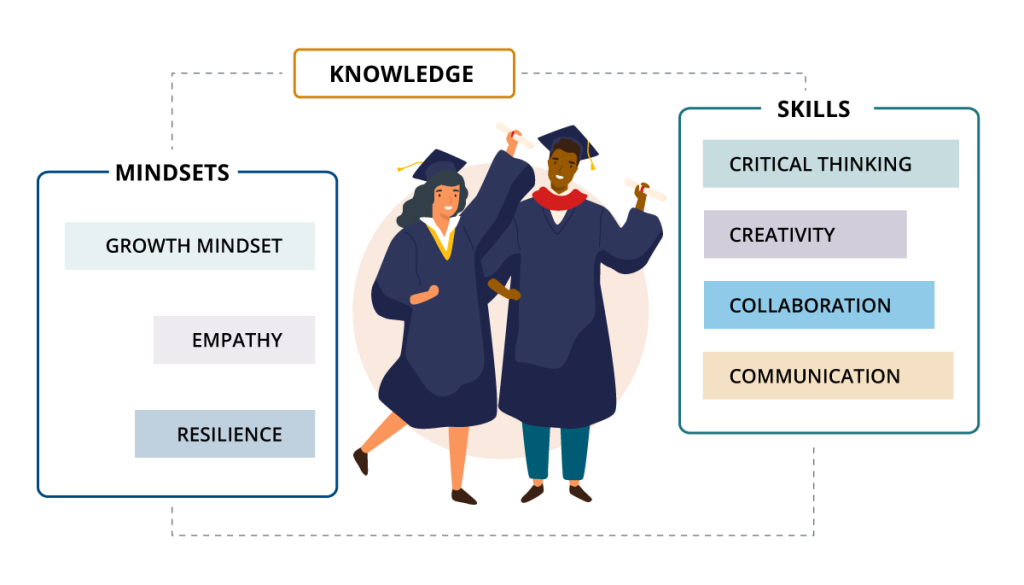
The Portrait of a Graduate framework redefines education by focusing on the holistic development of learners. Moving beyond grades, it emphasizes critical thinking, collaboration, and resilience – skills vital for life and work. Backed by digital credentials, Portrait of a Gradudate showcases achievements, aligning education with community needs and real-world readiness. In this information-rich Credentialate Guide, we ask: What is the Portrait of a Graduate framework? What are the intentions behind the Portrait of a Graduate framework? What are the key components of a Portrait of a Graduate? How has the Portrait of a Graduate framework been implemented in real-world settings? What benefits does the Portrait of a Graduate approach provide for learners? How do digital credentialing solutions enhance the visibility of learner skills?