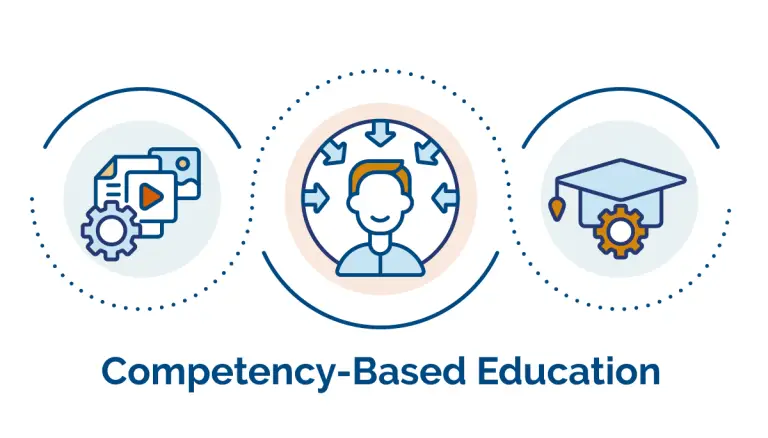


Lifelong learning involves the continuous pursuit of knowledge throughout an individual’s life, extending beyond traditional educational settings. Competency-based education (CBE) focuses on mastering specific skills, regardless of the learning environment, allowing learners to progress at their own pace and acquire practical competencies for success. In this information-rich Credentialate Guide, we ask – What is lifelong learning’s role in today’s workforce? How does Competency-Based Education (CBE) differ from traditional education? Why are they important for organisations? What are the challenges in documenting skills acquired through lifelong learning? What strategies can educators use to foster lifelong learning?
The Essentials: Lifelong Learning and Competency-Based Approaches for a Changing Workforce
Lifelong learning is the continuous, self-motivated pursuit of knowledge for personal or professional reasons. It is important because it enables individuals to stay adaptable and competitive in an ever-changing job market, fosters personal growth, and contributes to better mental health and stress management.
CBE focuses on mastery of specific skills and knowledge rather than the amount of time spent in a classroom. This approach allows learners to progress at their own pace, ensuring they acquire practical, job-ready competencies that are directly relevant to their careers.
Organisations benefit from lifelong learning and CBE by fostering a culture of continuous improvement, which leads to increased innovation and adaptability. Employees with visible, documented skills are better matched to job roles, enhancing overall productivity and career growth within the company.
One major challenge is the visibility of non-traditional learning and life skills, which are often difficult to document. Solutions like digital badges and personal evidence records help make these skills more visible, though more work is needed to fully integrate these into professional records.
CBE supports adult learners by offering flexible, relevant learning paths that fit around their busy schedules. This approach focuses on real-world skills that directly impact career growth, making it an ideal choice for those balancing work, family, and education.
Educators can foster lifelong learning by creating supportive learning environments through mentorship, understanding different learning styles, incorporating real-world applications, and offering flexible, self-paced learning options like online courses and micro-courses.
Examples include Western Governors University (WGU), which allows students to progress based on mastery, Southern New Hampshire University (SNHU), which emphasises project-based assessments, and the Medical College of Wisconsin (MCW), which focuses on competency-driven medical education. These programs demonstrate how CBE can effectively prepare learners for real-world careers.
Don’t have time to read it now? Email it for later!
Enter your email below to have a PDF copy sent direct to your inbox:
The Full Story: Lifelong Learning and Competency-Based Approaches for a Changing Workforce
- Understanding Lifelong Learning and Its Role in Today's Workforce
- The Power of Competency-Based Education (CBE) in Fostering Lifelong Learners
- Strategies for Educators to Foster Lifelong Learning Through CBE
- Resources for Lifelong Learners
- Real-World Examples: Successful Implementations Of Lifelong Learning And CBE In Action
Lifelong learning is defined as the ongoing, self-motivated pursuit of knowledge for personal or professional reasons. It’s not confined to traditional educational settings nor does it have to be separate from them, but includes all of a learner’s life experiences. This approach to self-education fosters adaptability and continuous growth in an ever-changing world.
To understand lifelong learning, and how it can be a game changer for educators, learners, and employers, it is also essential to understand competency-based education (CBE). Instead of focusing on time spent in class, this approach focuses on learners’ mastery of specific skills and knowledge regardless of where those were obtained. It’s a flexible, personalised approach that allows learners to progress at their own pace, ensuring they acquire practical and relevant competencies.
Why are these concepts so vital for educators and learners? Integrating lifelong learning and CBE:
- Empowers individuals to stay relevant and competitive in their careers
- Encourages a culture of continuous improvement within organisations
- Enhances the educational experience by making it more adaptable and meaningful
Up until this point, integrating these two approaches has been challenging. Learning that happens inside the classroom has been much more highly valued than learning that happens through non-traditional education like job experience, certification, and even vocational or college courses that were a part of a degree program, but a program the learner did not complete.
Why has this become so important? Because the workforce and the job market are rapidly changing. Skills matter, and often qualified candidates remain underemployed or unemployed while industries often lack those same skilled workers to fill open positions.
Understanding Lifelong Learning and Its Role in Today's Workforce
Because lifelong learning is about continuously developing new skills and knowledge throughout one’s life, it goes beyond professional growth. This holistic approach to personal development keeps individuals adaptable in a world where twenty year careers in the same company, let alone industry, are unheard of.
And the truth is, lifelong learners generally exhibit better mental health, a stronger work ethic, and a wider variety of skills when compared to other workers. In fact, these learners are often more confident in their ability to complete a task or work in a job position, and generally they handle stress better.

For individuals:
- Self-fulfilment – lifelong learning fosters a sense of personal accomplishment and intellectual growth. It’s not just about climbing the career ladder; it’s about enriching your life.
- Career advancement – continuously updating your skills can make you more competitive in the job market. Whether you’re aiming for a promotion or transitioning to a new field, ongoing education keeps you ahead of the curve.
For organisations:
- Increased innovation – a workforce committed to continuous learning brings fresh ideas and perspectives, fueling innovation.
- Adaptability – with industries evolving rapidly, having employees who are adept at learning new technologies and methodologies enhances organisational flexibility.
Skills Visibility and Career Growth
One crucial aspect of lifelong learning is skills visibility. Since some non-traditional learning and life skills are often hard to document, for lifelong learners, proving what they know has been a challenge.
But there are solutions. Personal evidence records and digital badging can help, but there is still more that needs to be done. Vocational or college courses taken that were not a part of a completed degree can be added, but surfacing the skills learned in those courses is often tricky.
Skills visibility is improving in certification programs, self-reported skills, and more. For lifelong learners, this is a game changer. Because ongoing education provides some key benefits:
- Improved job skills – by consistently adding new skills, professional capability and competency is improved.
- Real world workplace skills – beyond technical know-how, soft skills like leadership, communication, and problem-solving are vital. Lifelong learning covers these areas too.
Skills visibility is empowering. When it’s possible for employers to see a clear record of learner competencies, it leads to better job opportunities and career growth and improved company outcomes.
So where does competency-based education play into lifelong learning?
The Power of Competency-Based Education (CBE) in Fostering Lifelong Learners
Competency-Based Education (CBE) redefines how educators approach teaching and assessment. Traditional education often measures success by time-bound criteria – think semesters, credit hours, and standardised tests. In contrast, CBE is all about flexibility.
Aligning with Adult Learners' Needs
Lifelong learners, specifically adult learners, typically juggle various responsibilities – jobs, families, and more. CBE aligns perfectly with their needs by offering:
- Flexibility – learn anytime, anywhere, fitting studies around busy schedules.
- Relevance – focused learning that directly impacts professional skills and career growth rather than general education courses.
- Support – resources and mentorship tailored to adult learning styles.
But how do learners and educators measure mastery?
Importance of Measuring Mastery
One of the standout features of CBE is its focus on measuring skill training and skills visibility. In other words, the understanding, mastery, and application of competencies. This ensures:
- Meaningful skill development – learners must truly grasp concepts (and prove that grasp) before moving forward.
- Career readiness – graduates are equipped with verified skills that employers value. The key is verifiable – which is the purpose of digital certificates, badges, and the ability to add learning to verifiable personal experience records.
- Continuous improvement – ongoing assessments help identify areas for further development, and provide learners with the resources to pursue those skills.
By embracing these principles, educators can foster lifelong learners ready to adapt and thrive in ever-changing job markets. What strategies can help educators do this?
Strategies for Educators to Foster Lifelong Learning Through CBE
All of this theory doesn’t do us a bit of good unless we have real world strategies to implement. There are some clear steps educators can take.
1. Creating a Supportive Learning Environment: Mentoring, Motivation, and Understanding Learning Styles
Mentoring
Mentorship plays a critical role in guiding vocational or college graduates and adult learners on their lifelong learning journeys. A good mentor doesn’t just provide answers but helps learners navigate challenges and discover their own solutions. Think of it as having an experienced guide on a trek – someone who nudges you toward the right path while letting you find your footing.
Mentorship can happen in a variety of ways, from faculty mentors to peer mentoring programs, depending on the type and formality of the education environment. Mentorship provides several tangible benefits.
- Personalised guidance – tailored advice that aligns with individual career aspirations and personal development goals. Mentors help guide learners toward meaningful skills that can actually make a difference in their lives.
- Emotional support – having someone in your corner can boost confidence and resilience, especially when tackling new or challenging subjects. This is especially true of adult learners, who may be facing additional personal and life challenges.
- Networking opportunities – mentors often introduce mentees to valuable professional networks, opening doors to new opportunities.
But mentoring is just one step in several designed to encourage lifelong learners regardless of where they are in their journey.
Motivation
Motivating a diverse group of learners involves understanding different learning styles and preferences. Here are some practical strategies:
- Incorporate real-world applications – connect coursework with actual industry scenarios. For instance, if teaching project management, simulate real projects with constraints and deliverables.
- Flexible learning paths – offer various ways to complete assignments – videos, written reports, or presentations – to cater to different strengths.
Ongoing feedback – provide constructive feedback regularly. This keeps learners engaged and helps them understand where they stand and how they can improve.

Understanding Learning Styles
Taking time to understand individual learning styles can make a world of difference. Some people thrive on visual aids like infographics and videos, while others prefer hands-on activities or reading materials.
- Visual learners – use charts, diagrams, and videos.
- Auditory learners – incorporate podcasts or discussion groups.
- Kinesthetic learners – engage them with interactive tasks or real-life practice scenarios.
These strategies create an inclusive environment that respects each learner’s unique way of processing information, and speaks to diversity, equality, and inclusion (DEI) in new and exciting ways.
By embracing mentorship and tailoring motivation strategies, educators can effectively foster a growth mindset among learners. This isn’t just about acquiring skills, but nurturing an attitude geared toward continuous professional development and learning beyond traditional career training. The key lies in creating a space where learners feel supported and motivated to push their boundaries – the true essence of lifelong learning.
2. Embracing Online Education: Micro-Courses, Accredited Universities, and the Future of Upskilling
While somewhere around 74% of those in the United States consider themselves to be lifelong learners, busy professionals often find it challenging to balance work, life, and continuous professional development.
For most, returning to university is not a practical option, so they turn to alternatives like online courses, micro courses and certifications, and other options that relate to upskilling. The popularity of options like Masterclass, Udemy, and other online course options testifies to this.
How do educators embrace this new way of learning and engage with these lifelong learners? There are several options:
Online Education
While many universities offer online education, the courses are often just a video / lesson combination that mirrors classroom activities. Online discussions are often mandatory, and the courses are geared towards specific learning styles. But they should offer:
- Flexibility – one of the biggest “perks” of online education for lifelong learners is flexibility and the ability to take courses not only where and when works best for them, but often at their own pace. When courses are time constrained by semesters or quarters, this can hamper the experience for those adult learners or those with other life challenges to complete them. Self-pacing allows the learner to take bite-sized chunks that their life can handle, often why learners opt for shorter courses rather than long ones.
- Accessibility – essentially, online learning is in theory accessible to anyone with an internet connection. But those in rural areas or who are without access to high speed internet often struggle with video lessons and data intensive pages that take forever to load. This type of accessibility is being addressed by universities like BYU Idaho, who are creating lower data grabbing course and lesson pages designed to load quickly and work on even the simplest of mobile devices.
- Diverse learning options – from full-fledged accredited university programs to short micro-courses, online education caters to various learning needs and preferences by providing multiple options. It’s essential that educators understand that when it comes to lifelong learning and adult learners, one size never fits all, and there is a place for all of these options in the education space.
It’s not enough in the changing job world and the current education marketplace to say, “Yes, we offer online courses.” Instead, a variety of options and courses optimised for different situations can help educators reach the truly diverse pool of lifelong learners and better prepare them with career skills that can last a lifetime.
Micro-Courses: The New Frontier in Learning
Micro-courses are an important option for lifelong learners, as they consist of compact training modules designed to deliver targeted knowledge and skills. These bite-sized learning experiences don’t have to replace traditional degree programs, but instead complement them, and can even be a part of them. Here’s how:
- Focusing on specific skills – instead of a broad curriculum, micro-courses zero in on particular competencies, making them ideal for quick upskilling. This helps learners in the case of necessary career pivots, seeking to move ahead in their current career, or even embarking on something entirely new.
- Providing stackable credentials – learners can accumulate micro-credentials over time, contributing towards larger qualifications or certifications. It is even possible for entire degree programs to be made up of stackable micro-courses, making them ideal targets for lifelong learners.
The important thing about lifelong learners is to understand that they will continue seeking education and learning, it’s simply a matter of where and when they are going to do so. It is the responsibility of educators to meet them where they are: expecting learners to come to universities or colleges and simply “take whatever is offered” is not a sustainable model.
This blend of competency-based education and online education providing micro-courses, digital badges, and skills-specific certifications creates a dynamic environment where lifelong learning is not just encouraged but seamlessly integrated into the lives of those who are pursuing the learning.
3. Encouraging Self-Directed Learning: Strategies and Tools for Lifelong Learners to Take Charge of Their Education Journey
Fostering a growth mindset is essential for cultivating self-directed learners. When students believe in their ability to grow and improve, they are more likely to take charge of their education journey from the start. This mindset encourages continuous professional development in both young learners and adult learners already in the workforce who are looking to upskill for whatever reason.
And there are strategies that can be taught to encourage the lifelong pursuit of knowledge, a unique set of skills if you will. Here are a few of those techniques:
- Goal setting – encourage learners to set personal and professional goals. More importantly, teach them how to do so, from goal setting principles like the SMART goal approach to project management and accountability skills that will serve them over a lifetime.
- Reflection – incorporate regular reflection activities, where students assess the skills they have, identify where they can improve, and more importantly where they should focus their efforts. Personal development is always important, but professional skills development priorities will change throughout life stages and events, and through career pathways. Teaching learners to discern these paths early in their education sets the foundation for lifelong learning.
- Choice – provide options in assignments or projects, allowing learners to pick topics or areas that interest them. Provide personalised approaches to group and individual projects that allow students to find their own role and skill levels.
Note that this is not just an approach for adult learners or even learners at the university level. These principles can be a part of learning starting quite early in a learner’s educational path. These “soft skills” and techniques lead to better decision making early on, which is key to fostering the mindset that is essential to lifelong learners.
Resources for Lifelong Learners
The age of the paper transcript sent for with a self-addressed stamped envelope only to be opened by the receiving institution is essentially a thing of the past. Digital portfolios are vital for visualising and sharing skills. Skills wallets and backpacks, curated collections of digital badges, personal evidence records (PER), learner evidence records (LER) and smart resumes are replacing the traditional resume and CV.
Lifelong learners also crave community. From Reddit to Quora, they unite in their attempts to understand new principles, upskill, and determine where others are obtaining those skills. Those same community building principles can be applied within the education ecosystem. Developing online forums for connecting, sharing resources, and supporting each other is invaluable in fostering a growth mindset and lifelong learning.
As we mentioned, engaging with mentors is also highly valued by lifelong learners. This is how they obtain guidance and motivation on those days when everything from life to the learning process becomes challenging. This too, can be done within the education ecosystem. If not, lifelong learners will find their own ways to connect, communicate, and find the mentorship they need.
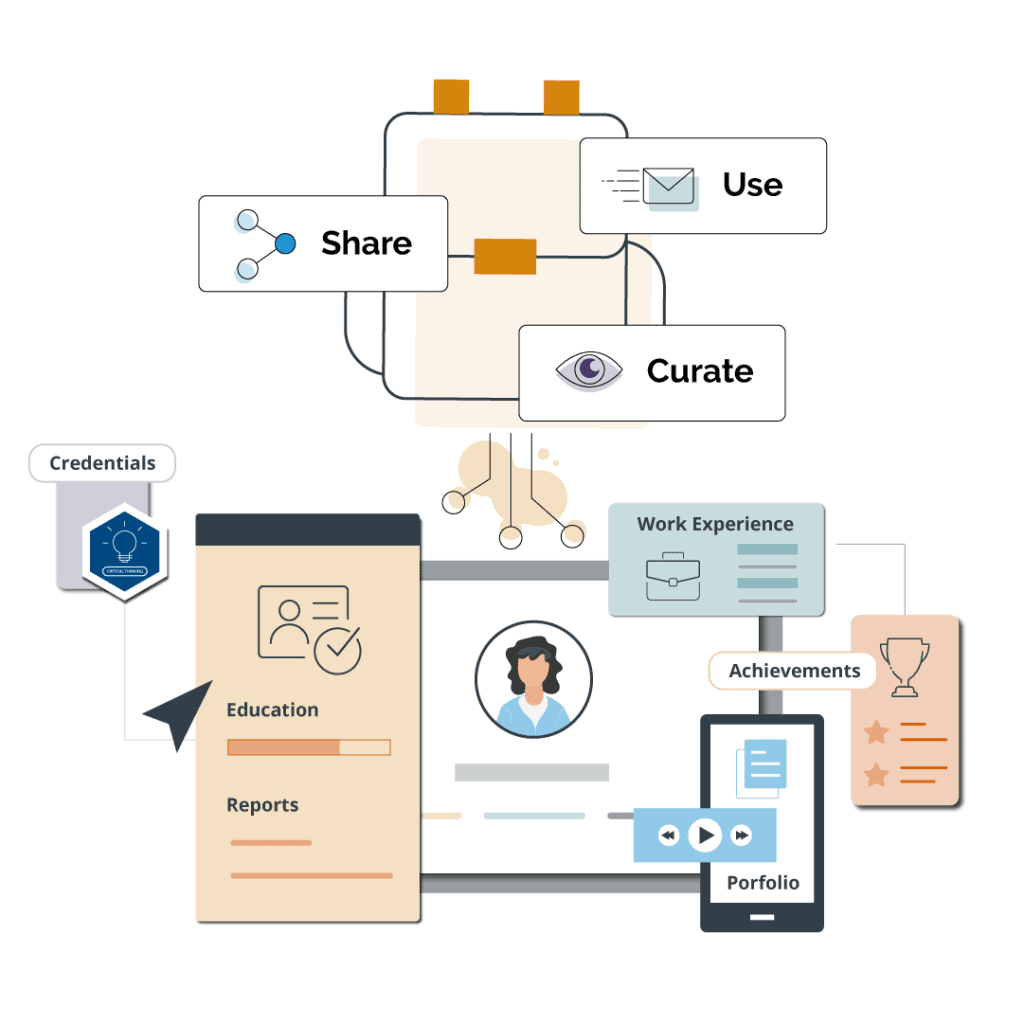
Self-directed strategies empower learners while ensuring they receive appropriate support throughout the learning process. By leveraging resources that facilitate autonomy – like digital portfolios and online communities – learners gain more confidence and are more successful.
Nurturing that growth mindset is the “secret sauce” for a culture of continuous improvement among both students and educators.
Real-World Examples: Successful Implementations Of Lifelong Learning And CBE In Action
Case studies on lifelong learning programs reveal fascinating insights into the synergy between lifelong learning and competency-based education (CBE). There are several examples of this around the world, specifically in Australia and the United States. Here are a few of them.
Western Governors University (WGU) – WGU exemplifies how CBE can transform higher education. By allowing students to progress upon mastering material rather than logging classroom hours, WGU empowers learners to take control of their educational journeys. This model suits busy adults juggling work and family commitments.
Southern New Hampshire University (SNHU) – SNHU’s College for America program stands out in delivering CBE with a focus on real-world applications. By emphasising project-based assessments over traditional exams, SNHU ensures students gain skills directly relevant to their careers.
Medical College of Wisconsin (MCW) – In the healthcare sector, MCW’s CBE initiatives are revolutionising medical education. By focusing on competencies like patient care and clinical skills, MCW prepares students for the practical demands of healthcare professions.
There are other examples in Europe and throughout the world as well. These are just a few examples of how educators can support lifelong learning through embracing competency based education, online learning, and appealing to non-traditional learners in a meaningful way.
The more educators that understand and model this approach, the greater the impact will be.
Conclusion
Educators hold the key to future-proofing careers through ongoing commitment to learning. By integrating lifelong learning and competency-based education (CBE) into their teaching strategies, they empower students to thrive in an ever-evolving job market.
Where do we at Edalex come in? Through developments like openEQUELLA, we help institutions better understand and categorise their data, making skills visibility possible through their current curriculum. Credentialate assists with taking that skills visibility from simple data to sharable, stackable credentials with an embedded personal evidence record. And openRSD as the world’s largest open access library of rich skill descriptors (RSDs) helps educators, learners, and employees understand the skills actually needed for specific positions or tasks.
Want to learn more? Contact us at Edalex today for a demo of our products or just to talk strategy, and how we can help you go from where you are today to where you’d like to be.
Want a copy? Email it for later
Enter your email below to have a PDF copy sent direct to your inbox: