Elevating Your Digital Badges: Why My eQuals Users Need Credentialate
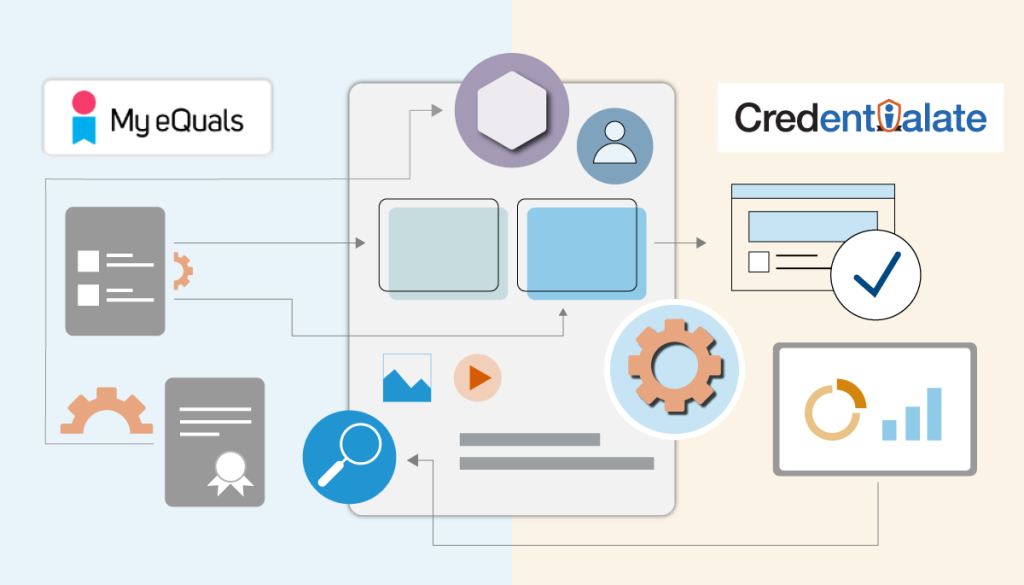
Credentialate enhances My eQuals Badges with verifiable skills, dynamic evidence, industry alignment, and automated workflows. Through the Personal Evidence Record, institutions can deliver richer, more meaningful digital badges that clearly articulate learner achievement.
Skills Imperative – Part 2: Are You Missing Out on Big Opportunities?

Evidence-backed skills recognition doesn’t just reduce risk – it unlocks powerful opportunities. From boosting retention to attracting lifelong learners and expanding into transnational education, institutions that validate and showcase learner competencies are seeing real impact. Learn how Credentialate and SkillsAware provide the infrastructure and tools to deliver, recognise, and scale skills-based learning across diverse learner groups.
Skills Imperative – Part 1: Are You Risking Irrelevance?

The value of a traditional degree is under scrutiny as learners seek direct pathways to employment. Institutions that resist skills recognition face shrinking enrolments, reputational damage, and lost market opportunities. AI may help, but it can’t replace the human expertise needed to define and validate real-world skills. Without action, the cost of doing nothing will only grow. Is your university ready to adapt—or at risk of being left behind?
Tools That Empower Learner-Centric Skills Recognition
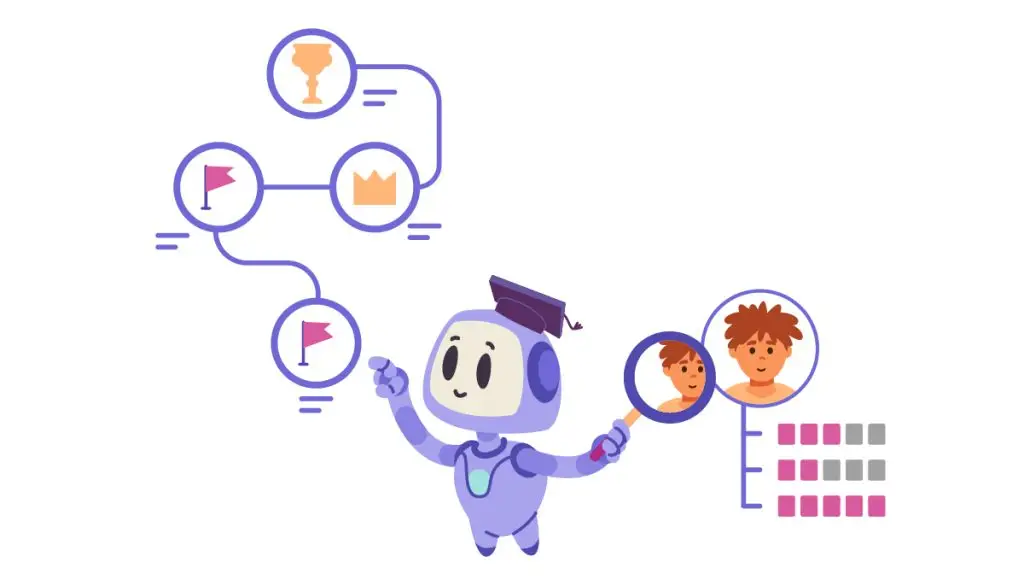
Empowering a learner-centric approach requires robust systems to make skills visible and transferable. Traditional LMS and badge agents have limitations, necessitating advanced solutions like Credentialate and openRSD. These tools create essential “data plumbing,” bridging learning, skills frameworks, and employer needs. AI further enhances this by analysing curricula to extract and align skills, ensuring a seamless education-to-employment transition.
How Technology Can Help Unlock Human Potential

Technology plays a crucial role in helping people reach their full potential. By shifting from traditional, course-based education to skills-based learning, learners can showcase skills rather than just grades. At Edalex, we believe technology is the key to unlocking human potential, enabling learners to effectively communicate their skills to employers. As education evolves, embracing digital tools like Learner Evidence Records (LERs) will empower individuals to succeed in a dynamic job market.
Why Must Students Wait for Graduation to Own Their Learning Credentials?

Why wait for graduation to own learning credentials? Recognising and credentialing skills as they’re learned empowers learners, fostering growth, resilience, and equitable access to opportunities in a dynamic world.
Unsticking the Messy Middle: Collaboration is Key in Unraveling Complex Challenges
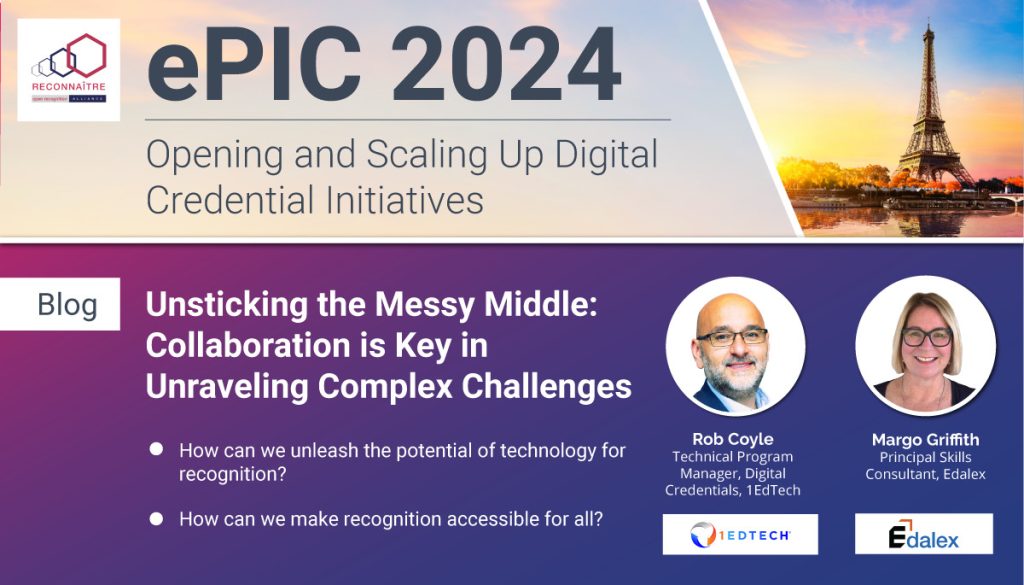
Collaboration is key to navigating the complexities of the skills-first movement. By fostering collaboration and embracing a holistic approach, we can create a future where everyone has the opportunity to learn, grow, and achieve their full potential.
All Learning Counts: Recognising Lifelong Learning

All Learning Counts advocates for recognising all forms of learning—formal, informal, and non-formal—as essential to personal growth and employability. Tools like Recognition of Prior Learning (RPL), Personal Evidence Records (PERs), and AI-powered skills assessment are advancing skill validation beyond traditional resumes or transcripts.
Embracing diverse experiences can bridge skills gaps, promote inclusivity, and support a future where every learning journey is valued, ensuring fairer access to opportunities.
Data Mobility – Unlocking Skills Visibility
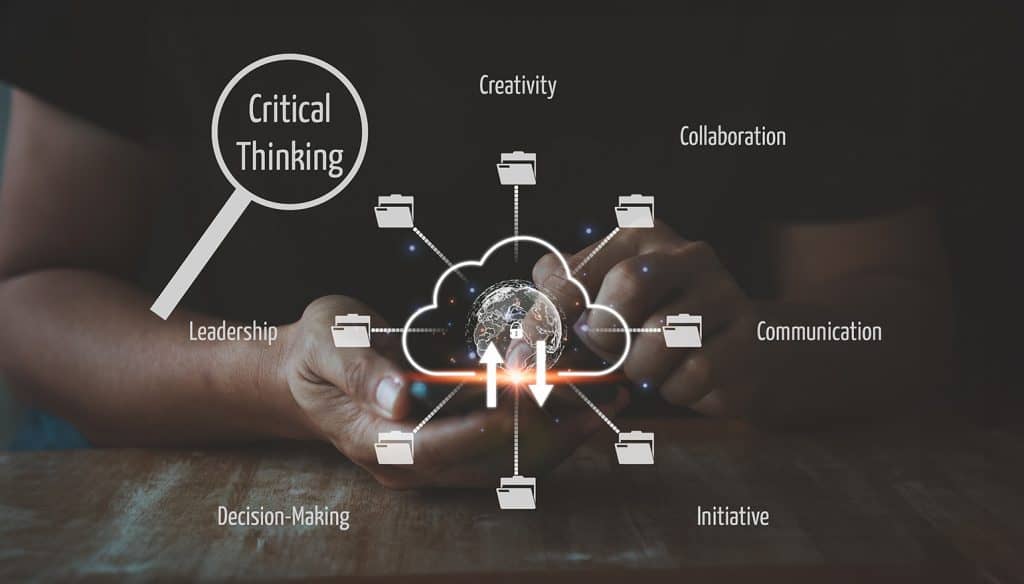
Data mobility in education allows educators to access a comprehensive view of learners’ skills, enabling personalised learning experiences. It’s not just about moving data, but making it accessible and actionable to benefit both learners and educators.
This article explores the importance of data mobility, its impact on skills visibility, and the future it holds for education.
How Do We Provision Learners With Better Life-Ready Signals?

What happens to the average learner when they graduate from high school or a degree program? Their “real” learning often starts. Without proven skills and experience, they enter the workforce at entry-level jobs they may be overqualified for, or worse, they get passed up for positions they may be a great fit for.
Not only do the learners lose, so do employers. So how can we provision learners with better life-ready signals, ones that employers and others can see, evaluate, and validate? It starts with the learner.