Why Must Students Wait for Graduation to Own Their Learning Credentials?

Why wait for graduation to own learning credentials? Recognising and credentialing skills as they’re learned empowers learners, fostering growth, resilience, and equitable access to opportunities in a dynamic world.
Unsticking the Messy Middle: Collaboration is Key in Unraveling Complex Challenges
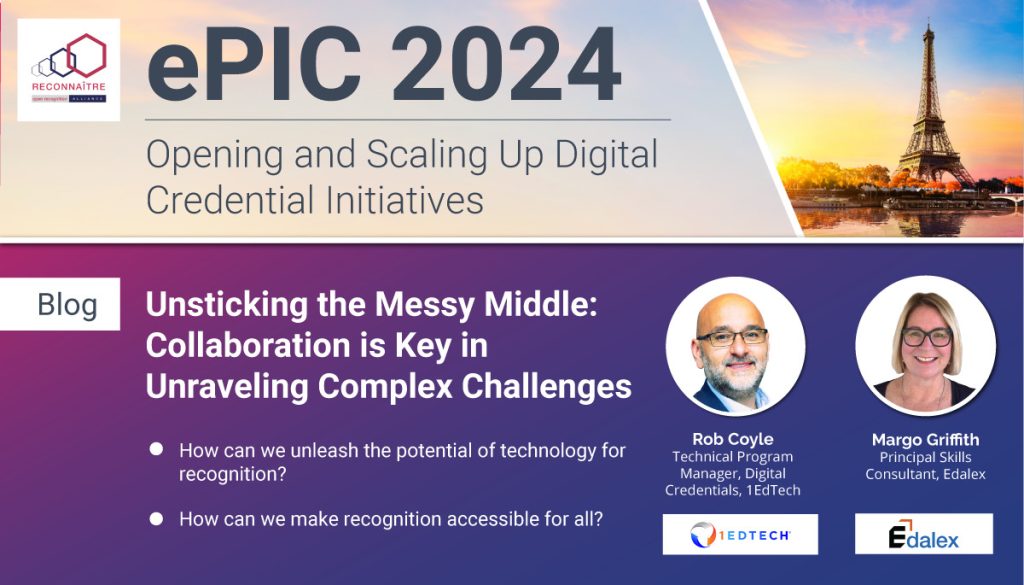
Collaboration is key to navigating the complexities of the skills-first movement. By fostering collaboration and embracing a holistic approach, we can create a future where everyone has the opportunity to learn, grow, and achieve their full potential.
Tackling Systemic Challenges in Education, Supporting the New Majority Learners and Lifelong Skilling
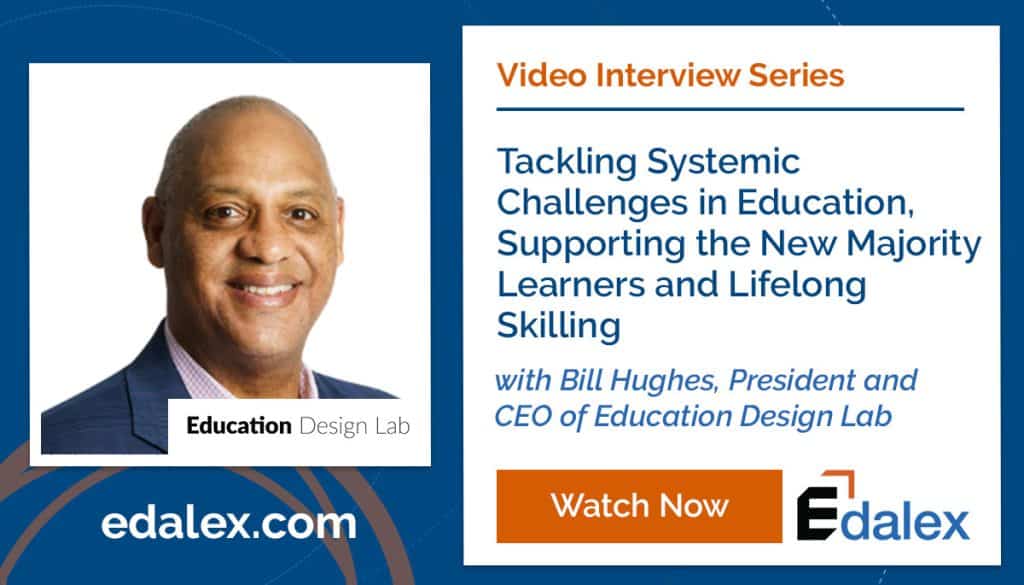
In this interview, Dan McFadyen, Managing Director of Edalex, and Bill Hughes, President and CEO of Education Design Lab explore the Lab’s work to create a more inclusive and adaptable learning ecosystem. EDL focuses on “New Majority Learners” (or STARs) who are underserved by traditional education pathways. Their XCredit project validates skills acquired through alternative routes, making them recognisable and transferable. The discussion also covers the complexities of standardising skill recognition and the transformative potential of educational technology. EDL envisions a future where community colleges become “talent partners” for industry, fostering lifelong skilling opportunities, and ensuring that edtech supports all learners, particularly the New Majority.
SkillsAware announces its official launch and launch of AI-powered skills recognition service and consultancy
SkillsAware, an organisation delivering an AI-powered skills recognition service and consultancy, is thrilled to announce its official launch today, aiming to revolutionise skills discovery and recognition powered by AI. The SkillsAware launch reflects a collaboration between SkillsIQ, a skills-focused not-for-profit, Edalex, an award-winning EdTech and SkillsTech company and Dr Mark Keough, an Australian learning innovation pioneer. The new […]
All Learning Counts: Recognising Lifelong Learning

All Learning Counts advocates for recognising all forms of learning—formal, informal, and non-formal—as essential to personal growth and employability. Tools like Recognition of Prior Learning (RPL), Personal Evidence Records (PERs), and AI-powered skills assessment are advancing skill validation beyond traditional resumes or transcripts.
Embracing diverse experiences can bridge skills gaps, promote inclusivity, and support a future where every learning journey is valued, ensuring fairer access to opportunities.
Data Mobility – Unlocking Skills Visibility
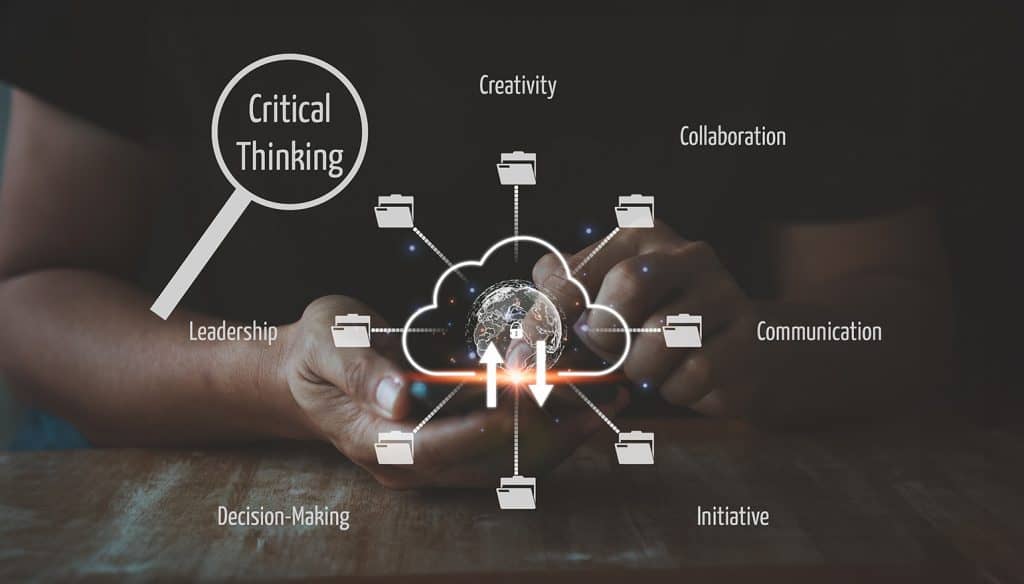
Data mobility in education allows educators to access a comprehensive view of learners’ skills, enabling personalised learning experiences. It’s not just about moving data, but making it accessible and actionable to benefit both learners and educators.
This article explores the importance of data mobility, its impact on skills visibility, and the future it holds for education.
Lifelong Learning and Competency-Based Approaches for a Changing Workforce

Lifelong learning involves the continuous pursuit of knowledge throughout an individual’s life, extending beyond traditional educational settings. Competency-based education (CBE) focuses on mastering specific skills, regardless of the learning environment, allowing learners to progress at their own pace and acquire practical competencies for success. In this information-rich Credentialate Guide, we ask – What is lifelong learning’s role in today’s workforce? How does Competency-Based Education (CBE) differ from traditional education? Why are they important for organisations? What are the challenges in documenting skills acquired through lifelong learning? What strategies can educators use to foster lifelong learning?
Edalex announces launch of new self-paced guide ‘How to Recognise Skills in Your Curriculum’
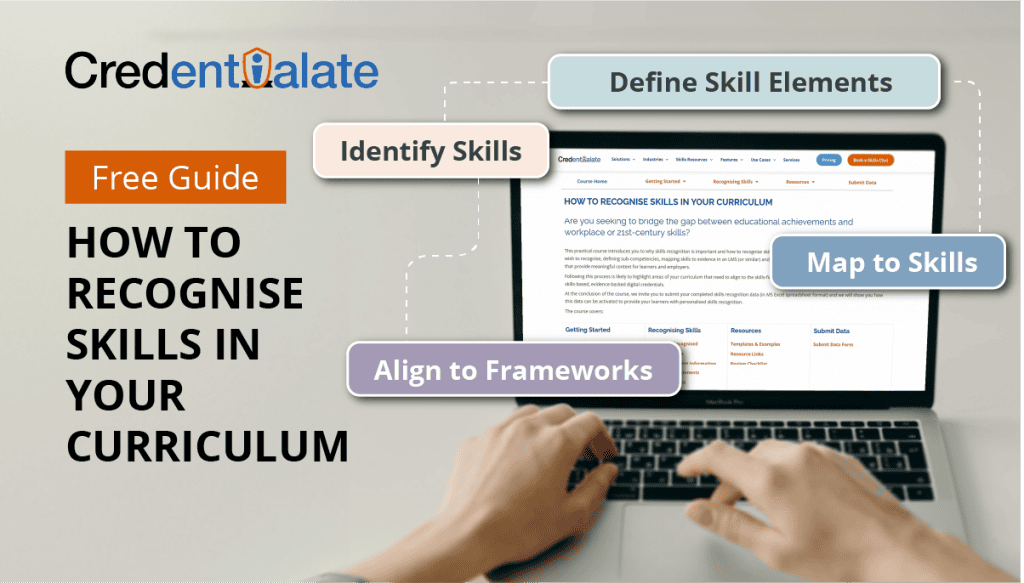
Edalex, the company powering organisations’ single source of truth for skills, credentials and learning data, is thrilled to announce the launch of a new free Credentialate guide, “How to Recognise Skills in Your Curriculum.” This self-paced, practical guide is designed to empower educators, instructional designers, and educational institutions with the tools and knowledge to effectively […]
How Do We Provision Learners With Better Life-Ready Signals?

What happens to the average learner when they graduate from high school or a degree program? Their “real” learning often starts. Without proven skills and experience, they enter the workforce at entry-level jobs they may be overqualified for, or worse, they get passed up for positions they may be a great fit for.
Not only do the learners lose, so do employers. So how can we provision learners with better life-ready signals, ones that employers and others can see, evaluate, and validate? It starts with the learner.
Why HBCUs Are Shifting Their Focus to Credential-as-You-Go Models

The role of Historically Black Colleges and Universities (HBCUs) is both growing and changing for a number of reasons. But what does this mean to these colleges and learners? More importantly, what does it mean to employers and the employability of graduates? Let’s take a closer look at HBCUs and the impact from adding a focus on skills and credential-as-you-go models.