WEBINAR RECORDING: How Community Colleges Can Address Skills Gaps, Make Invisible Data Visible and Increase Learner Agency
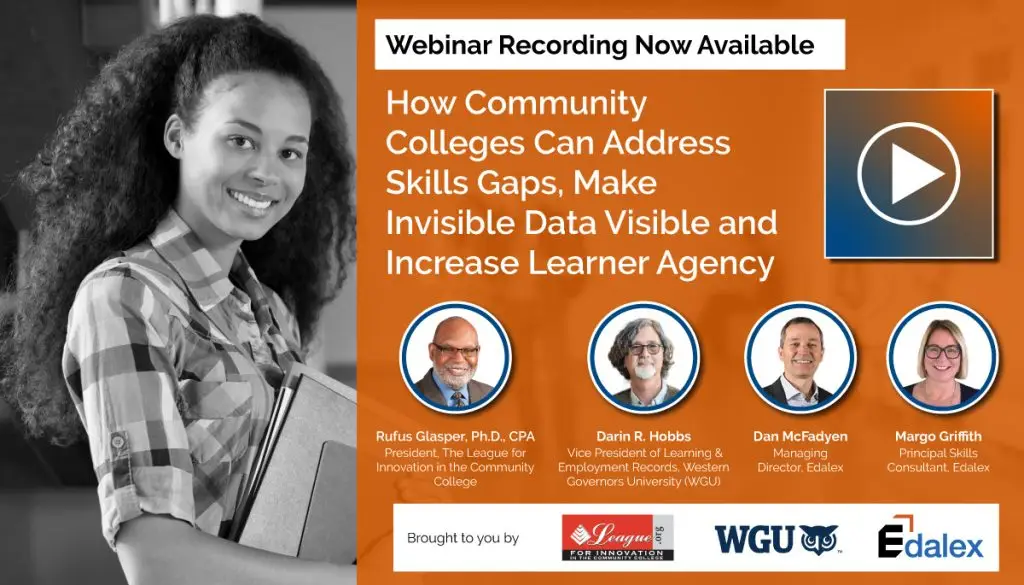
Held on 31 July, this informative and practical webinar shares a roadmap to skills visibility and recognition, and provide an overview of the technology solutions that can enable community colleges to act swiftly and at scale to address skills gaps.
Moving Beyond Grades: Why and How You Should Develop a Growth Mindset
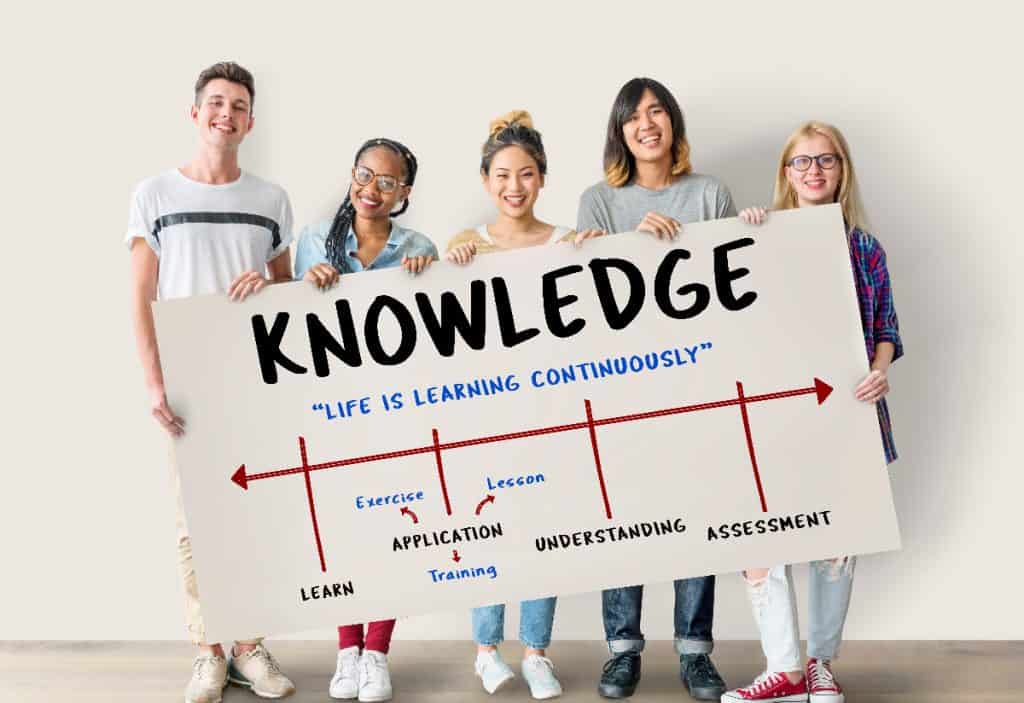
Adopting a growth mindset early is crucial for learners of all ages, and education must shift from focusing on grades to emphasizing skills and growth to address future challenges, particularly in the K-12 environment. Fortunately, recent advancements in EdTech make this possible.
Overcoming the Challenges to Skills-Based Hiring
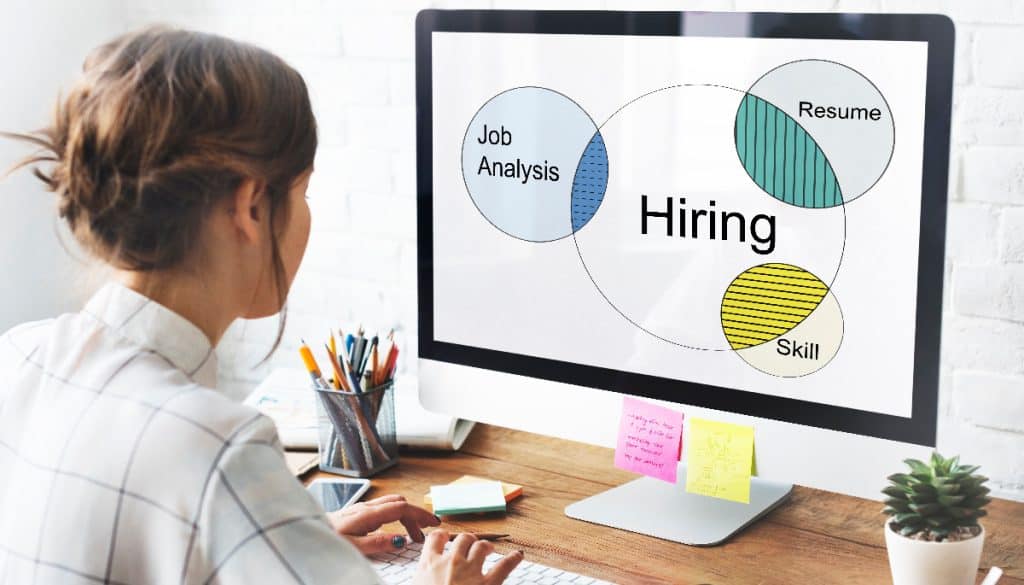
Recent studies show that most employers, including government entities, are increasingly favoring skills-based hiring. In today’s fast-paced and ever-evolving job market, skills have become paramount. However, despite this trend, reports, such as one conducted by the Burning Glass Institute, indicate that many HR personnel still predominantly rely on resumes and degrees when making hiring decisions. Unfortunately, the necessary systems to base hiring decisions on skills are often unavailable to them. Join us for a deep dive into the challenges employers face and explore the tech-enabled solutions available to help address these challenges.
Inside the Quest to Tame Gen AI to Benefit Education and Society
In this interview, Dan McFadyen, Managing Director of Edalex, and Julian Ridden, Head of Growth for Australia at Quizizz delve into the role of AI in education. They discuss the potential benefits and risks of AI, emphasising the need for thoughtful integration in educational settings. They also highlight the importance of understanding the risks associated with AI, such as bias and data security. The conversation emphasises the need for caution in AI adoption and the importance of using AI to solve genuine problems in education. Overall, they express optimism about the future of AI, and its ability to enhance human experiences and education, while also acknowledging the need for proactive measures to adapt to technological advancements.
21st-Century Skills – What They Are and Why They’re Important
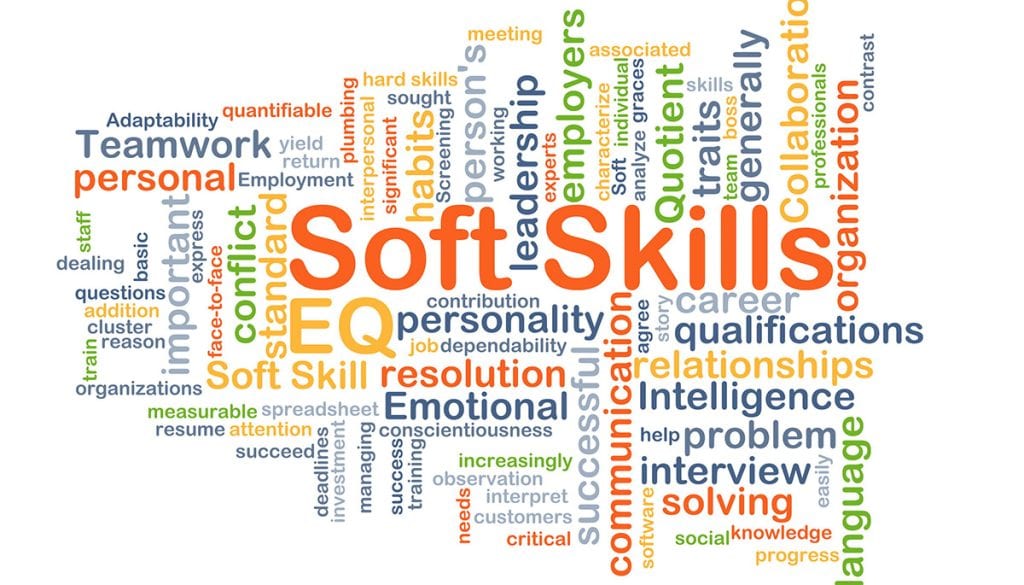
We often hear the term, “21st-century skills.” However, it is not often clear exactly what that means and how it relates to things like employability, education, and hiring. As old jobs fall victim to automation and advancing technology, the need for transferrable skills and new knowledge and competencies has increased. In this information-rich Credentialate Guide, we examine the workplace needs of the global economy, 21st-century terms and definitions, what skills are important and how are they are taught and assessed.
Tech Enablement of Portrait of a Graduate is Already Here
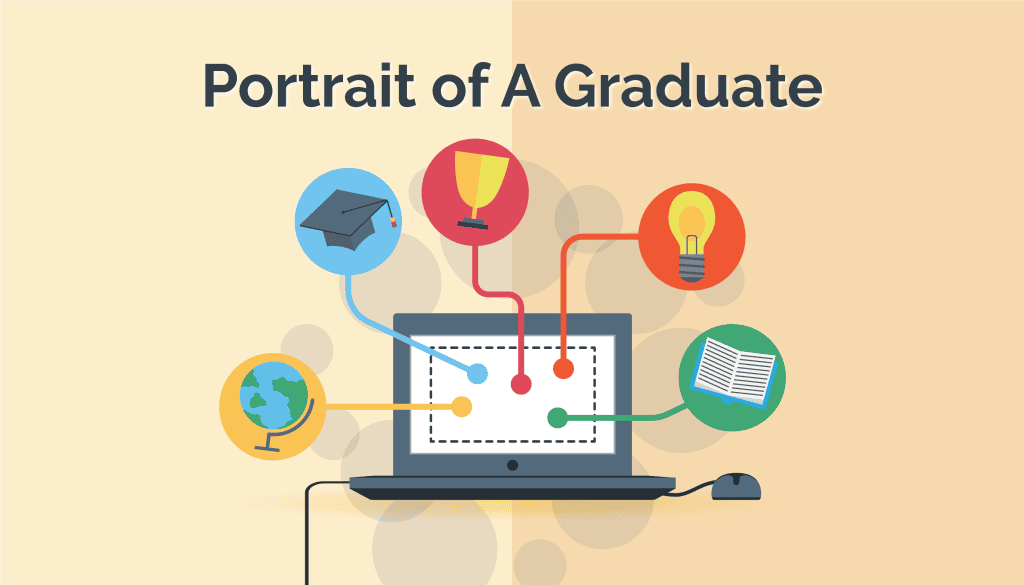
Tech enablement of learners has been acknowledged by the education community and others as a necessity for moving forward into the new skills-based hiring ecosystem for quite some time. The key is skills visibility. After all, what good is an employer focusing on hiring for skills if a candidate cannot prove what skills they have in a clear and verifiable way? Through the use of machine-readable data, combined with human inputs and organisational technology and infrastructure, educators, learners, and employers can access data about the learner’s progress and achievements 24/7. Discover the transformative power of the new tech-abled portrait of graduate.
Towards a Skills-Based Marketplace: Revolutionising Skill Verification with a Digital Wallet

In this interview, Dan McFadyen, Managing Director of Edalex engages with Taylor Kendal, President of Learning Economy Foundation to explore LEF’s initiatives, including LearnCard and the LearnCloud, aiming to revolutionise education and employment record infrastructure through open-source, interoperable systems a.k.a Digital Skill Wallet. Their conversation anticipates a future where individuals have greater control over their learning and employment agenda, fostering socio-economy mobility rebalancing and lifelong learning opportunities, while the LEF’s vision extends to stewarding this infrastructure’s widespread adoption and impact over the next five years and beyond.
WEBINAR RECORDING – Skills Wallet Solution Providing Students With Employment and Skills Progression Pathways
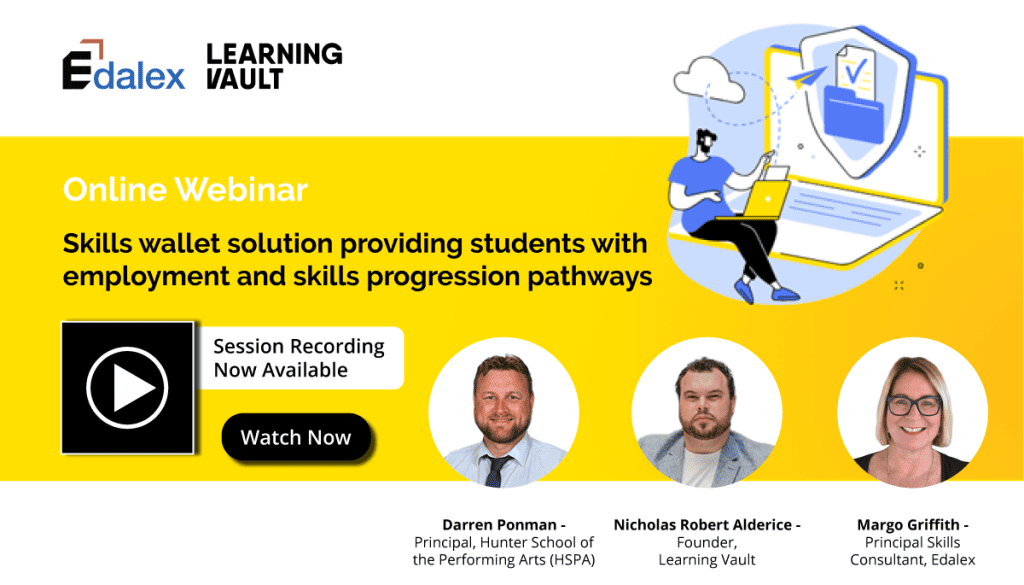
Watch Nicholas Robert Alderice, the CEO of Learning Vault, Margo Griffith, Principal Skills Consultant of Alex, and Darren Ponman, Principal of Hunter School of the Performing Arts (HSPA), as they delve into the journey of the Learner Dashboard solution from ideation to implementation.
Adult Education is Changing and Lifelong Learning is Coming Into Its Own

Adult learning transforms from alternative to preferred pathway, embracing skills over degrees. Lifelong learning challenges outdated norms amid declining trust in higher education. What drives this shift? Digital credentials and employer-led programs emerge, but face obstacles in the four-year college system. As industries evolve, rapid reskilling and digital verifiable skills evidence become vital. How can you navigate this educational revolution? Let’s start from community colleges and digital credentialing.
Future-Proofing Educational Strategies in the Era of CBE, GenAI, and Qualifications Beyond Degrees

Dan McFadyen, Managing Director of Edalex and Kate Valenti, Co-Chief Executive Officer at Unicon Inc. explore the evolving education landscape as they delve into key aspects of Competency-Based Education (CBE), the integration of General Artificial Intelligence (GenAI), and the redefinition of qualifications beyond traditional degrees. The conversation is divided into 6 thought-provoking chapters, each shedding light on different aspects of their covered topics.