Data Mobility – Unlocking Skills Visibility
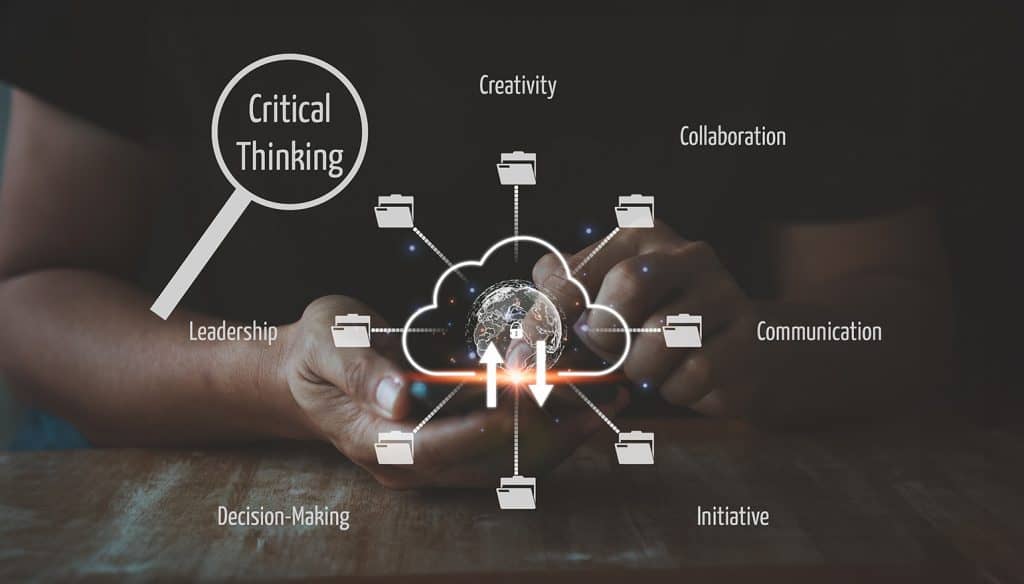
Data mobility in education allows educators to access a comprehensive view of learners’ skills, enabling personalised learning experiences. It’s not just about moving data, but making it accessible and actionable to benefit both learners and educators.
This article explores the importance of data mobility, its impact on skills visibility, and the future it holds for education.
How Do We Provision Learners With Better Life-Ready Signals?

What happens to the average learner when they graduate from high school or a degree program? Their “real” learning often starts. Without proven skills and experience, they enter the workforce at entry-level jobs they may be overqualified for, or worse, they get passed up for positions they may be a great fit for.
Not only do the learners lose, so do employers. So how can we provision learners with better life-ready signals, ones that employers and others can see, evaluate, and validate? It starts with the learner.
Why HBCUs Are Shifting Their Focus to Credential-as-You-Go Models

The role of Historically Black Colleges and Universities (HBCUs) is both growing and changing for a number of reasons. But what does this mean to these colleges and learners? More importantly, what does it mean to employers and the employability of graduates? Let’s take a closer look at HBCUs and the impact from adding a focus on skills and credential-as-you-go models.
Moving Beyond Grades: Why and How You Should Develop a Growth Mindset
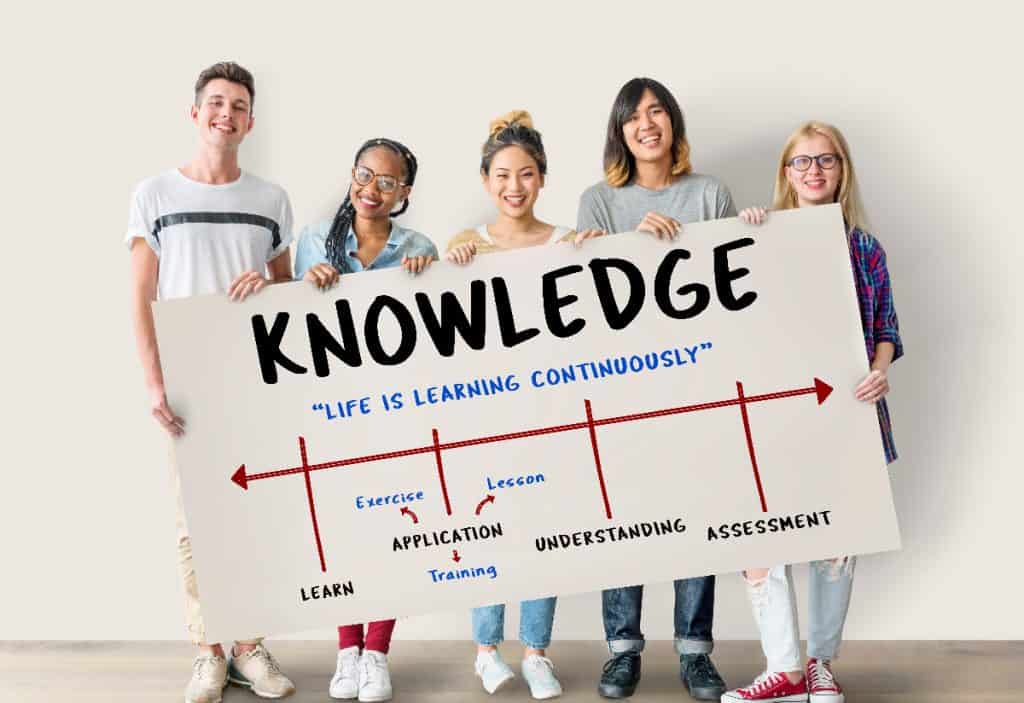
Adopting a growth mindset early is crucial for learners of all ages, and education must shift from focusing on grades to emphasizing skills and growth to address future challenges, particularly in the K-12 environment. Fortunately, recent advancements in EdTech make this possible.
Overcoming the Challenges to Skills-Based Hiring
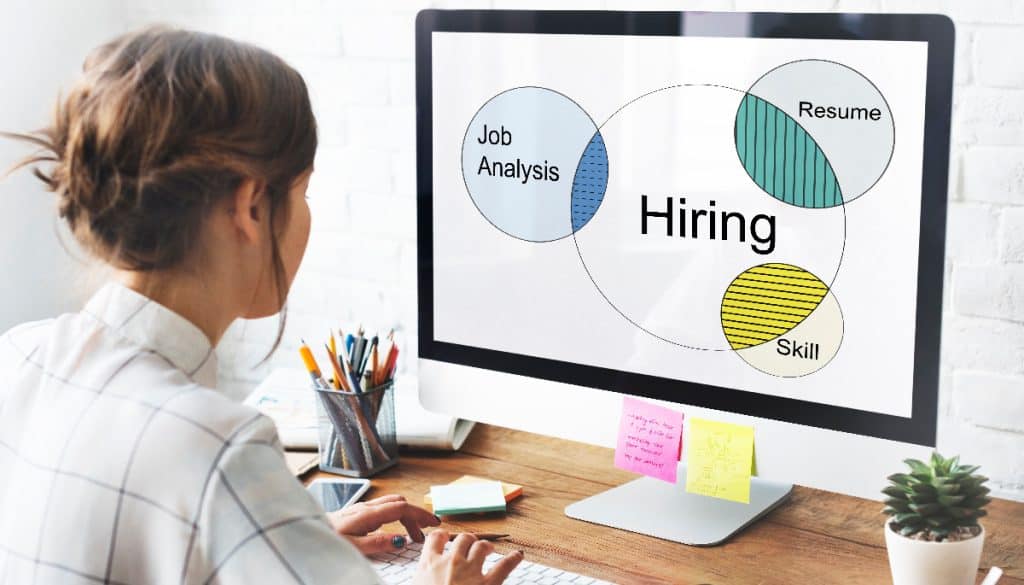
Recent studies show that most employers, including government entities, are increasingly favoring skills-based hiring. In today’s fast-paced and ever-evolving job market, skills have become paramount. However, despite this trend, reports, such as one conducted by the Burning Glass Institute, indicate that many HR personnel still predominantly rely on resumes and degrees when making hiring decisions. Unfortunately, the necessary systems to base hiring decisions on skills are often unavailable to them. Join us for a deep dive into the challenges employers face and explore the tech-enabled solutions available to help address these challenges.
Tech Enablement of Portrait of a Graduate is Already Here
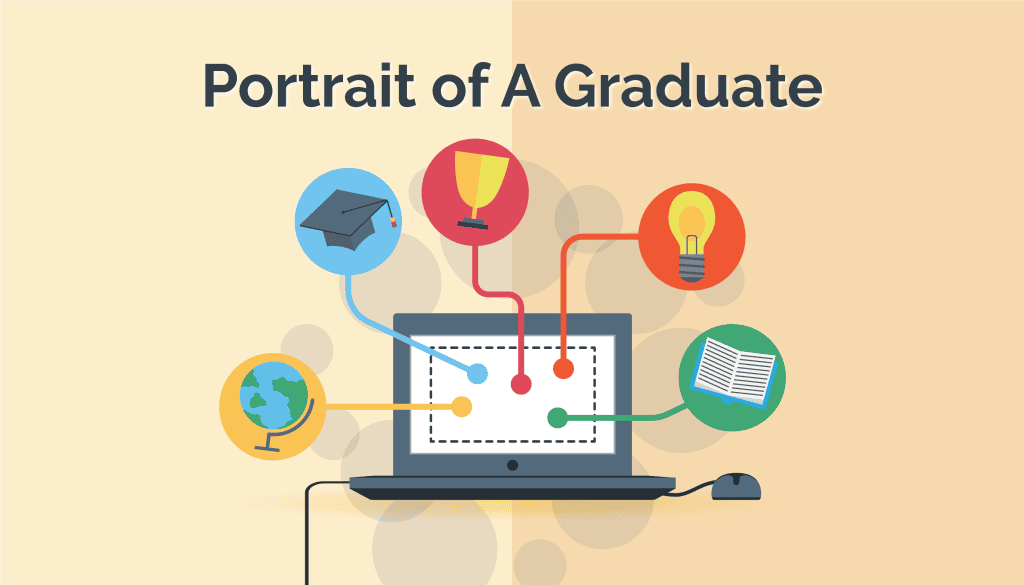
Tech enablement of learners has been acknowledged by the education community and others as a necessity for moving forward into the new skills-based hiring ecosystem for quite some time. The key is skills visibility. After all, what good is an employer focusing on hiring for skills if a candidate cannot prove what skills they have in a clear and verifiable way? Through the use of machine-readable data, combined with human inputs and organisational technology and infrastructure, educators, learners, and employers can access data about the learner’s progress and achievements 24/7. Discover the transformative power of the new tech-abled portrait of graduate.
Adult Education is Changing and Lifelong Learning is Coming Into Its Own

Adult learning transforms from alternative to preferred pathway, embracing skills over degrees. Lifelong learning challenges outdated norms amid declining trust in higher education. What drives this shift? Digital credentials and employer-led programs emerge, but face obstacles in the four-year college system. As industries evolve, rapid reskilling and digital verifiable skills evidence become vital. How can you navigate this educational revolution? Let’s start from community colleges and digital credentialing.
Open Skills, Open Credentials, Open Opportunities
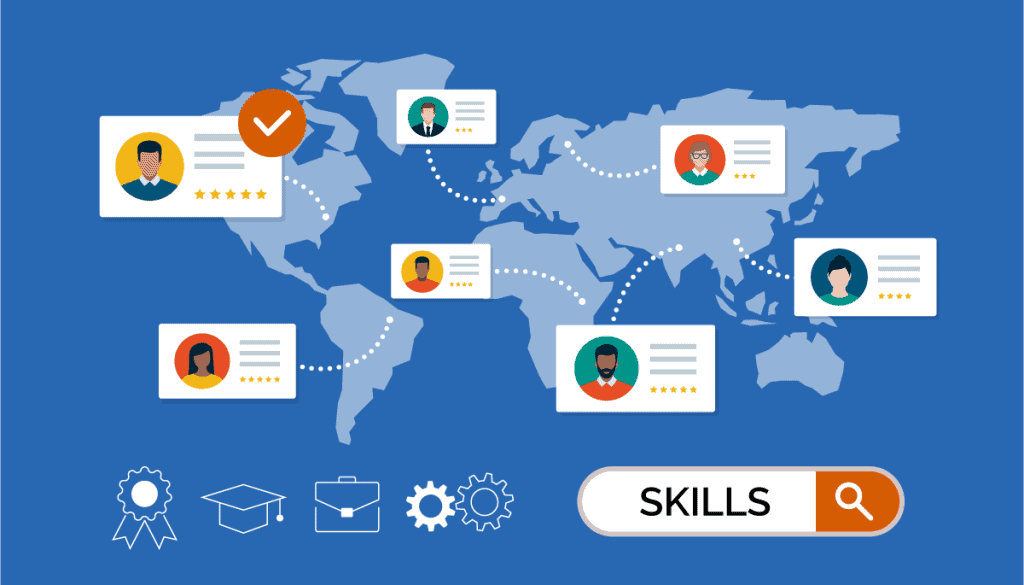
The purpose of education in any form can really be boiled down to one thing: opportunities including personal improvement, career advancement, increased income levels, and increased levels of personal satisfaction. Skills-based education, hiring, and even the creation of job listings are the future. What does that opportunity look like?
Community Colleges: Stacking Credentials as a Bridge to Higher Education
Community colleges traditionally were created to address the population of learners who pursued two-year degree programs, which often led to transferring into a four-year university degree. However, as global skills gaps have increased, the need to shift from a traditional student demographic and outcome, to one that meets the needs of lifelong learners seeking to re-skill or upskill to stay relevant, has become critical. Lack of funding and infrastructure created challenges for many community colleges seeking to pivot to meet this new demand.
The Next Generation Learner: How to Deliver Visibility, Mobility and Personalisation
There’s been a pretty constant and repeated refrain that we need reform and innovation in education to create a more equitable and inclusive learning and employment system. And it’s been believed for about the same amount of time that we will need technology to enable scale, trust and security.