Data Mobility – Unlocking Skills Visibility
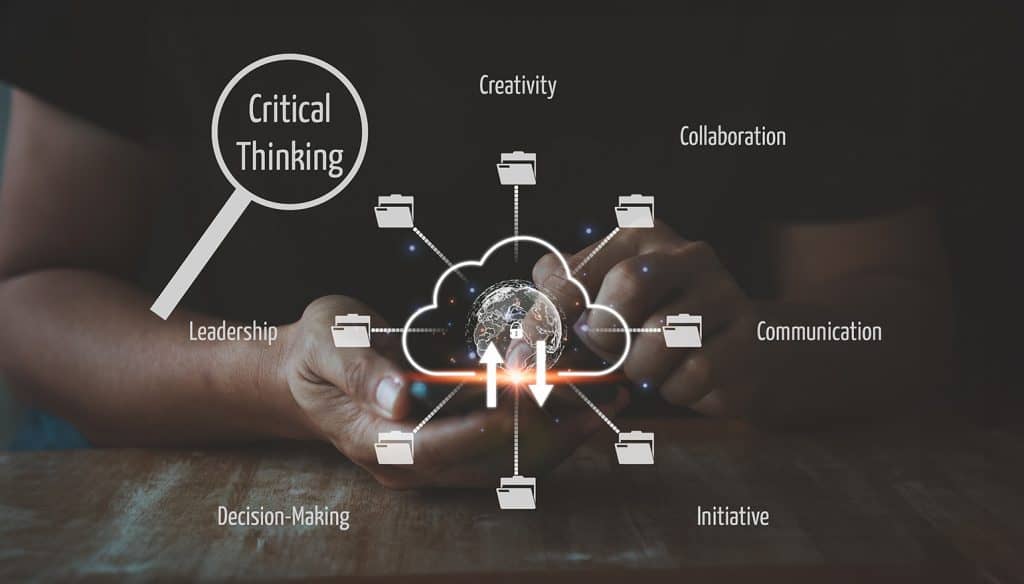
Data mobility in education allows educators to access a comprehensive view of learners’ skills, enabling personalised learning experiences. It’s not just about moving data, but making it accessible and actionable to benefit both learners and educators.
This article explores the importance of data mobility, its impact on skills visibility, and the future it holds for education.
Edalex selected for a fifth consecutive placement in the HolonIQ ANZ EdTech 50 in 2024
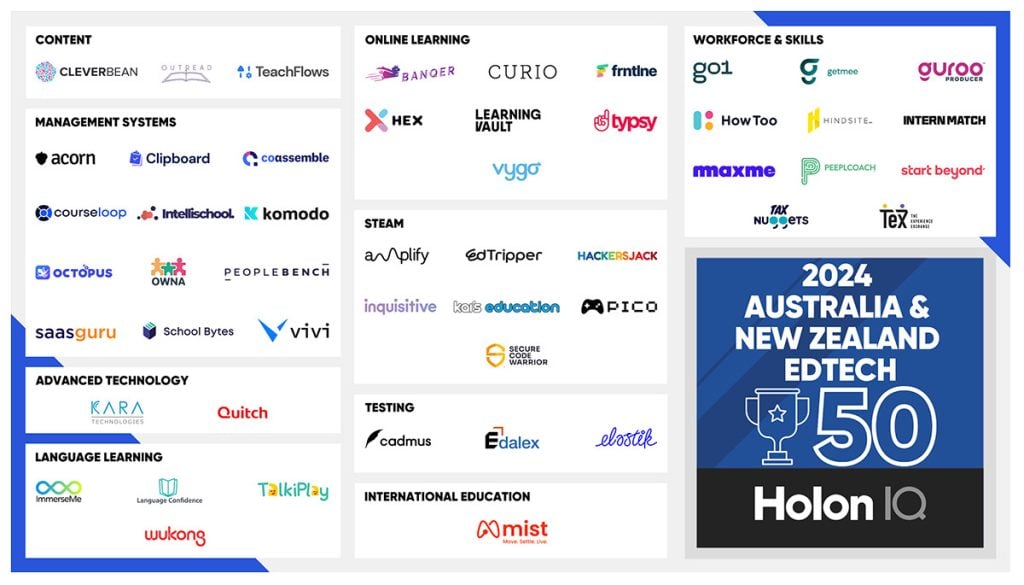
Edalex, a company that provides organisations with a single source of truth for skills and learning data, has been included in the HolonIQ 2024 ANZ EdTech 50 list for the fifth consecutive year. This recognition highlights Edalex’s ongoing contributions to the education technology sector in Australia and New Zealand. The company’s focus on skills-based solutions and integration of new technologies, such as gen AI, has solidified its position as a leader in the field.
HSPA recognised at Public Education Awards 2024 in Secretary’s Award for School Achievement for their Mastery Learning System
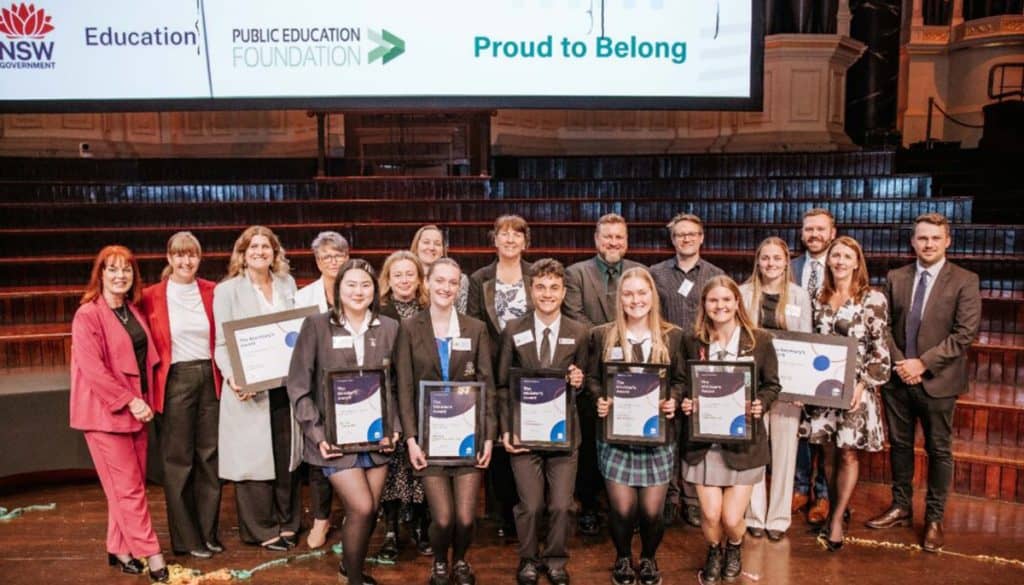
Edalex congratulates the Hunter School of Performing Arts (HSPA) for winning the Secretary’s Award for School Achievement for their Mastery Learning System. Co-designed with Edalex and Learning Vault, this innovative system has been recognised both nationally and internationally. The award, presented by NSW Department of Education Secretary Murat Dizdar PSM at Sydney Town Hall, highlights HSPA’s dedication to enhancing learning experiences and fostering student achievement.
How Do We Provision Learners With Better Life-Ready Signals?

What happens to the average learner when they graduate from high school or a degree program? Their “real” learning often starts. Without proven skills and experience, they enter the workforce at entry-level jobs they may be overqualified for, or worse, they get passed up for positions they may be a great fit for.
Not only do the learners lose, so do employers. So how can we provision learners with better life-ready signals, ones that employers and others can see, evaluate, and validate? It starts with the learner.
Why HBCUs Are Shifting Their Focus to Credential-as-You-Go Models

The role of Historically Black Colleges and Universities (HBCUs) is both growing and changing for a number of reasons. But what does this mean to these colleges and learners? More importantly, what does it mean to employers and the employability of graduates? Let’s take a closer look at HBCUs and the impact from adding a focus on skills and credential-as-you-go models.
Edalex release AI-generated Rich Skill Descriptor (RSD) collections of the Australian Skills Classification (ASC) 3.0 system, with an eye towards a National Skills Taxonomy
Edalex has released over 270 rich skill descriptor (RSD) skill clusters, totalling 1,686 RSDs, on their openRSD platform, created through a GenAI project translating the Australian Skills Classification (ASC) into digital format, enhancing global access and interoperability of skills data for next-generation credentials.
WEBINAR RECORDING: How Community Colleges Can Address Skills Gaps, Make Invisible Data Visible and Increase Learner Agency
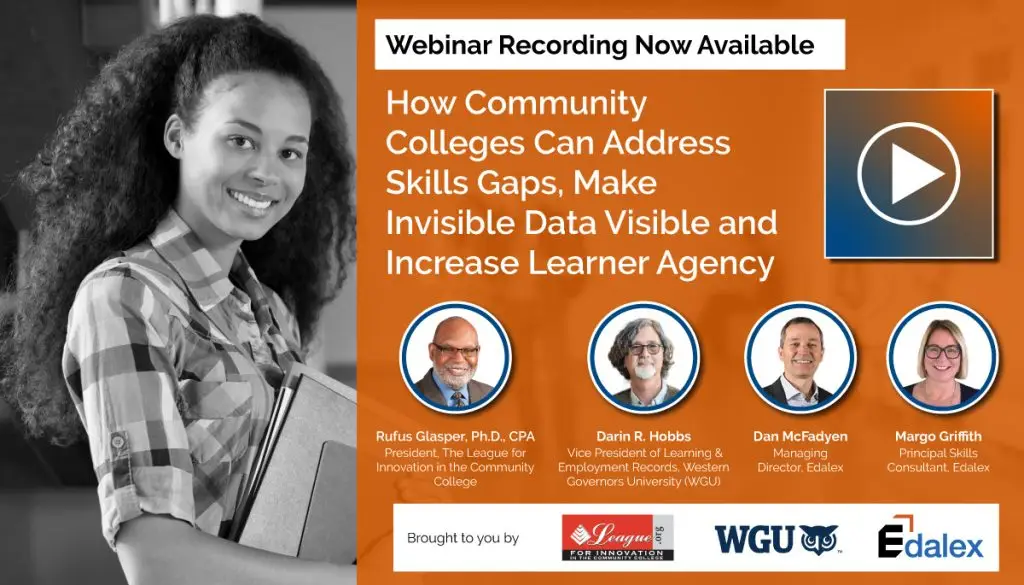
Held on 31 July, this informative and practical webinar shares a roadmap to skills visibility and recognition, and provide an overview of the technology solutions that can enable community colleges to act swiftly and at scale to address skills gaps.
Moving Beyond Grades: Why and How You Should Develop a Growth Mindset
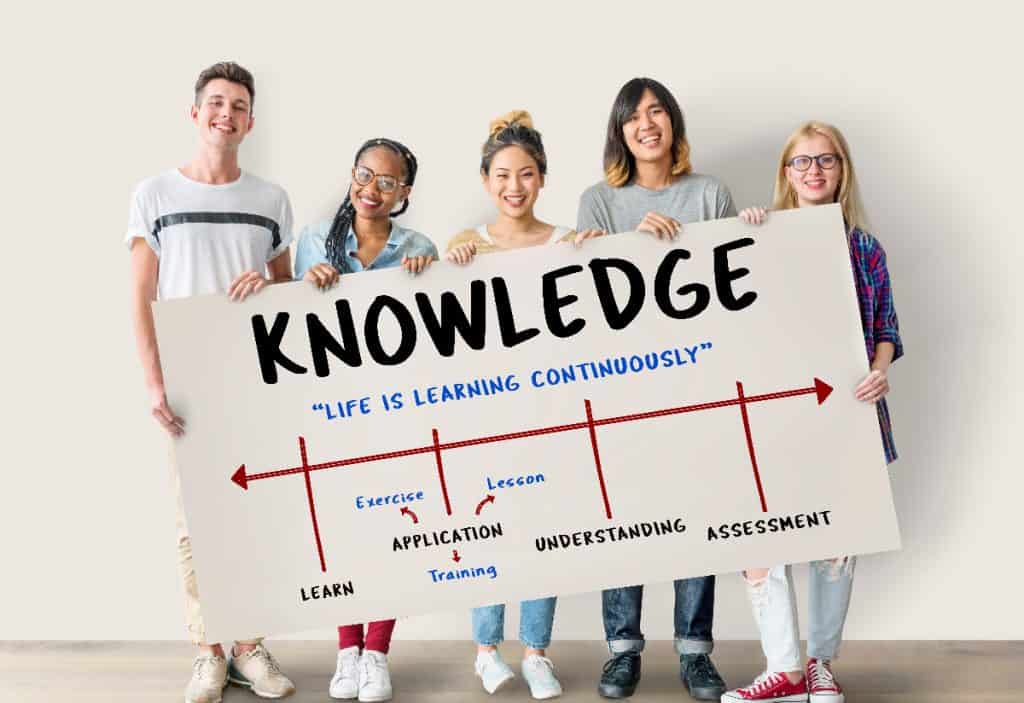
Adopting a growth mindset early is crucial for learners of all ages, and education must shift from focusing on grades to emphasizing skills and growth to address future challenges, particularly in the K-12 environment. Fortunately, recent advancements in EdTech make this possible.
Edalex selected as a finalist in the ‘Competency-Based Innovation’ category of the 2024 Learning Impact Awards by 1EdTech
Edalex is thrilled to place as a finalist in the ‘Competency-Based Innovation’ category of the 2024 Learning Impact Awards, focusing on the ‘Deployment of a Learner Dashboard for Mastery Learning’ leveraging our Credentialate platform, which was co-developed with Learning Vault and with, and for, the Hunter School of the Performing Arts (HSPA).
Overcoming the Challenges to Skills-Based Hiring
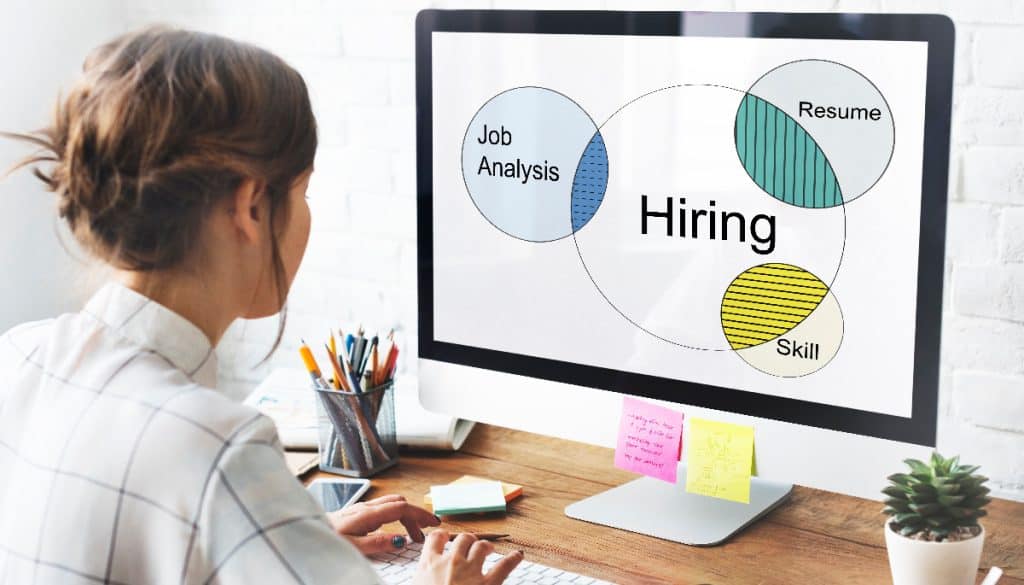
Recent studies show that most employers, including government entities, are increasingly favoring skills-based hiring. In today’s fast-paced and ever-evolving job market, skills have become paramount. However, despite this trend, reports, such as one conducted by the Burning Glass Institute, indicate that many HR personnel still predominantly rely on resumes and degrees when making hiring decisions. Unfortunately, the necessary systems to base hiring decisions on skills are often unavailable to them. Join us for a deep dive into the challenges employers face and explore the tech-enabled solutions available to help address these challenges.