The word “metadata” might sound like a technical term – a behind-the-scenes detail only for IT specialists and librarians. But in the world of educational technology, it’s far more than that. Metadata is your university’s secret weapon, providing the key to unlocking the true value of your digital content.
Key takeaways:
-
Metadata transforms digital chaos into order – It provides the descriptive context (tags, labels, and attributes) that makes content understandable, searchable, and usable—turning a disorganized collection of files into an active, valuable content hub.
-
It’s the key to solving major institutional challenges – Well-structured metadata enhances discoverability, enables interoperability between systems, ensures long-term preservation of academic assets, and supports compliance with licensing and copyright requirements.
-
openEQUELLA makes metadata management simple and powerful – With customizable schemas, automated metadata extraction, and advanced search capabilities (including SEO), openEQUELLA helps institutions centralize and maximize the value of their digital content.
-
Metadata lays the groundwork for future innovation – Structured, high-quality metadata is essential for enabling advanced analytics, AI applications, and data-driven decision-making—making it a strategic investment in an institution’s long-term efficiency and digital transformation.
Simply put, metadata is data about your data. It’s the descriptive information – the tags, labels, and context – that makes your content understandable, findable, and usable. Just as a library catalog card provides essential information about a book, metadata tells you what a digital file is, who created it, what it’s about, and how it can be used.
In an education ecosystem overflowing with content – from course resources, lecture recordings and research papers to digital media and OER – metadata is the difference between a disorganised digital graveyard and a thriving, active content hub.
The Power of Metadata: Solving Today's Biggest Challenges
Today’s education leaders face relentless challenges in managing digital resources. Metadata, when done right, is the single most powerful solution for many of them:
- Discoverability: Finding the right content, fast – without metadata, your digital content is essentially invisible. A video of a guest lecture might be stored on a server, but with no information about its speaker, topic, or key takeaways, it’s a lost asset. High-quality metadata transforms that video into a discoverable resource. It allows faculty to search for content based on specific learning objectives, keywords, or authors, eliminating the frustrating, time-consuming quest for materials. This means less time searching and more time teaching.

- Interoperability: Making your systems work together – your university’s digital landscape is complex. Your Learning Management System (LMS) needs to connect with your student information system, your library catalog needs to link to your research portal, and a dozen other systems need to “talk” to one another. Metadata is the shared language that makes this possible. By applying consistent, standardised metadata, you create a seamless flow of information, breaking down silos and enabling your systems to work as a cohesive unit.
- Long-term preservation and management – the academic record is a long-term commitment. How do you ensure that a research dataset from a decade ago is still understandable and usable today? Metadata provides the crucial context for long-term preservation. It stores information about the file’s original format, its creator, its permissions, and its history, ensuring your intellectual assets remain accessible and meaningful for decades to come.
- Content stewardship and compliance – in a world of complex copyright and licensing agreements, metadata is essential for strong content stewardship. It provides the mechanism for documenting who owns the content, what its usage rights are, and what permissions are associated with it. This is a critical step in mitigating institutional risk and ensuring proper, respectful use of digital assets.
openEQUELLA: Building Your Metadata Foundation
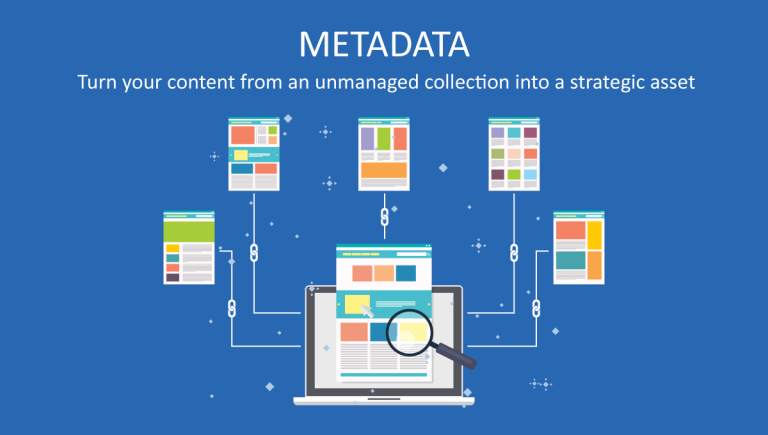
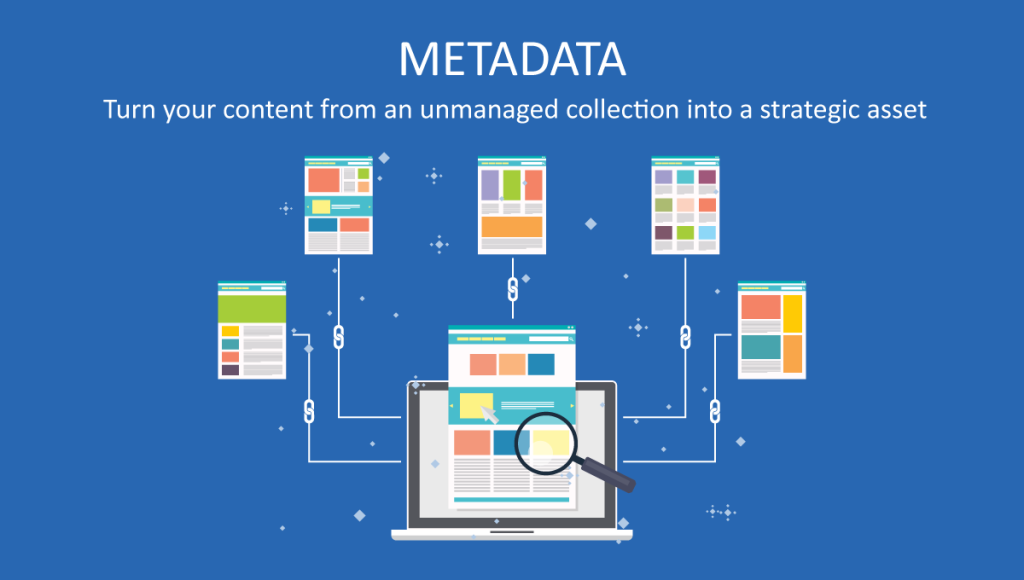
openEQUELLA is designed to put metadata at the core of your digital strategy, providing the tools to turn your content from an unmanaged collection into a strategic asset:
- Deep, customisable schemas – openEQUELLA allows you to create highly detailed metadata schemas, far beyond basic tags. You can tailor them to the specific needs of your institution or academic discipline, ensuring your content is described precisely and consistently.
- Automated metadata extraction – to simplify the process, openEQUELLA can automatically extract embedded metadata from your files, reducing manual entry and improving data consistency at scale.
- Powerful search and SEO – with this rich metadata, openEQUELLA’s powerful search engine allows for advanced, faceted searching. It also supports Search Engine Optimisation (SEO), ensuring your public-facing collections are easily discovered by external search engines like Google and Google Scholar.
Your Strategic Advantage for Future Innovation
Beyond its immediate benefits, a solid metadata foundation is your institution’s key to staying relevant. High-quality, structured metadata is a prerequisite for any future advanced analytics or AI initiatives to be effective and robust. Without it, these technologies lack the trusted, organised data needed to generate meaningful insights.
In the end, metadata is more than just a technical detail – it’s a strategic investment in efficiency, compliance, and institutional integrity. It’s how you ensure that your digital content not only survives but thrives, enriching the student experience and empowering your faculty for years to come.
Learn more about openEQUELLA’s powerful metadata capabilities and how they can transform your digital content strategy and create an active content hub.
Request a personalised demonstration to see openEQUELLA’s metadata features in action.
FAQs
1. What exactly is metadata, and why is it important in education?
Metadata is data that describes other data – providing context such as who created a resource, what it’s about, and how it can be used. In education, metadata makes digital content discoverable, understandable, and reusable across platforms and contexts.
2. How does metadata improve discoverability of digital content?
By adding structured information like keywords, learning objectives, and author details, metadata makes it easier for faculty, students, and researchers to quickly locate relevant resources—saving time and reducing duplication of effort.
3. What role does metadata play in system interoperability?
Metadata acts as a shared language that allows different systems—such as LMSs, research repositories, and library databases—to communicate and exchange information seamlessly, breaking down silos across an institution’s digital ecosystem.
4. How does openEQUELLA support metadata management?
openEQUELLA offers customizable metadata schemas, automated metadata extraction, and advanced search capabilities (including SEO). These features help institutions manage content efficiently, maintain consistency, and improve both internal and external discoverability.
5. Why is metadata essential for future technologies like AI and analytics?
High-quality metadata ensures data is organized, trustworthy, and machine-readable—making it the foundation for effective AI applications, predictive analytics, and other data-driven innovations in higher education.