Open Educational Resources (OER) are no longer just a cost-saving initiative — they are becoming a strategic foundation for modern education. This article explores why institutions need more than a simple repository, outlining how interoperability, accessibility, governance, and platforms like openEQUELLA can transform OER into a dynamic ecosystem that supports learner success and skills-based education.
Key takeaways:
OER needs a strategy – not just storage.
Simply creating a repository for learning materials isn’t enough. Institutions need a structured OER strategy that ensures content is discoverable, adaptable, governed, and actively used within teaching and learning workflows.- Interoperability and metadata are critical for discoverability
High-quality OER only delivers value when educators and learners can easily find and reuse it. Standardised metadata, LMS integrations, and open standards help connect content across systems and improve knowledge sharing. - Accessibility and equity should be built in from the start
A strong OER strategy reduces financial barriers for learners while ensuring content meets accessibility standards such as WCAG. This supports lifelong learning and creates more inclusive educational experiences. - Sustainability depends on governance and version control
Without clear ownership, workflows, peer review, and version management, OER repositories can quickly become outdated “digital graveyards.” Effective governance ensures resources stay current, accurate, and reusable over time.
In the rapidly evolving landscape of digital education, Open Educational Resources (OER) have moved from a nice-to-have cost-saving measure to a strategic imperative. The economy is transitioning, and skills are rapidly becoming the new currency of opportunity. This shift means traditional institutions risk irrelevance if they fail to adapt to competency-based recognition and modern learning frameworks. However, many institutions fall into the trap of treating OER as a simple storage problem – assuming that if they provide a place to put files, a culture of sharing will naturally follow. This focus on simple file storage over strategic deployment often leads to stagnation.
The reality is that successful OER initiatives aren’t built on folders; they are built on strategy. An effective OER repository strategy ensures that high-quality learning materials are not just stored, but are discoverable, adaptable, and sustainable. Without a clear framework, institutions risk creating “digital graveyards” where valuable resources go to waste because they lack the necessary metadata, licensing clarity, or version control. Technology must be viewed as a vital tool for unlocking human potential by helping individuals communicate their unique value in a dynamic job market.
The Pillars of a Robust OER Strategy
To move beyond basic storage, an institutional strategy should focus on three core areas:
- Interoperability and Discoverability: Resources are only valuable if they can be found. A strategic approach prioritises standardised metadata and ensures that the repository can talk to other systems, like your Learning Management System (LMS) or external global OER networks. This interoperability, often referred to as robust data plumbing, is critical for connecting learning frameworks with employer requirements. By optimising discovery, institutions move beyond managing a collection of files to cultivating a dynamic ecosystem of knowledge.
- Equity and Accessibility: OER is a powerful tool for equity. By reducing the financial burden of textbooks and course materials, OER directly addresses economic barriers for diverse learner segments. A formal strategy ensures that all content meets accessibility standards, specifically Web Content Accessibility Guidelines (WCAG), from the outset. This foundational commitment removes barriers for diverse learner segments and actively supports lifelong learning. Furthermore, OER supports the overall goal of bridging the “recognition gap” for frontline workers by making expertise verifiable and helping institutions align their curricula with real-world industry needs.
- Sustainability and Quality Control: The long-term viability of an OER initiative hinges on clear processes. Key questions must be addressed upfront: Who owns the content? How is it updated? A repository strategy defines the essential workflows for peer review and versioning. These workflows are necessary to ensure that learners always have access to the most current and accurate information. Without this governance structure, valuable resources can quickly become outdated or siloed, negating the investment in their creation and curation.
Key Takeaway: An OER strategy is the bridge between having content and empowering learners. It transforms a collection of files into a dynamic ecosystem of knowledge.
Implementing the Vision: The Role of openEQUELLA
While the strategy defines the why and the how, the technology you choose provides the where. One approach to bringing this strategy to life is through openEQUELLA. As a digital repository designed specifically for the complexities of education, it serves as a ‘single source of truth’ for institutional content, ensuring OER is centralised and governed effectively. It moves beyond being a static library and aligns with a sophisticated OER strategy by providing:
- Seamless Integration: openEQUELLA sits at the heart of your ecosystem. It actively pushes OER content directly into the LMS, ensuring resources are accessible where teaching and learning happen. Crucially, it maintains a central, version-controlled master file, ensuring consistency across all points of access.
OER fails when it sits outside the teaching workflow. openEQUELLA integrates directly into LMS environments (e.g. Moodle, Blackboard and Canvas) and with its Push to LMS feature, the platform allows educators to search the repository and embed resources into courses without leaving their teaching environment. Rather than duplicating files, those resources are linked back to a centrally managed version, with version history and usage tracking across multiple courses. This version control capability ensures that updates made once can be reflected consistently wherever the resource is accessed and used.
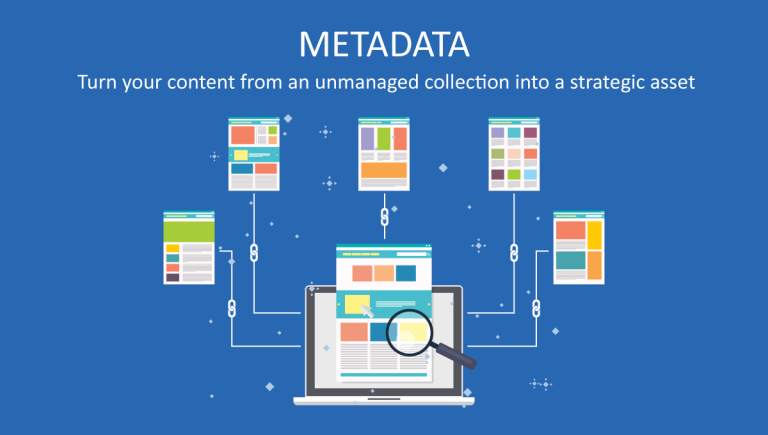
- Granular Metadata and Licensing: True discoverability requires precision, especially for properly managing OER reuse and attribution. openEQUELLA allows institutions to tag OER resources with the granular detail needed for effective searching and filtering. This level of detail supports the use of AI-powered engines to surface hidden competencies and better map content to industry requirements.
True discoverability requires precision, especially for properly managing OER reuse and attribution. openEQUELLA uses structured, schema-driven metadata to describe each resource, supporting advanced search, filtering, and precise retrieval. Resources can also include terms-of-use and copyright information, managed through workflows, which helps institutions control how materials are shared and reused. This structured metadata also creates a foundation for more advanced uses, such as the use of AI-powered engines to surface hidden competencies and better map content to industry requirements
- Open Standards: Supporting global standards is essential for a robust OER strategy. openEQUELLA ensures your OER initiative remains part of the broader educational community, preventing vendor lock-in and fostering a culture of open exchange.
An OER strategy should expand your ecosystem, not constrain it. openEQUELLA supports established e-learning standards such as SCORM and IMS package, enabling content to be exported and reused across different systems. Combined with its LMS integrations, this ensures interoperability with existing platforms and reduces the risk of vendor lock-in, and fostering a culture of open exchange..
What This Looks Like in Practice
An instructor building a course in the LMS needs a case study aligned to a specific topic. Instead of searching external sites or uploading their own copy, they access openEQUELLA directly within the LMS and run a targeted search using metadata – filtering by subject, resource type, and usage rights.
They select a resource and embed it straight into their course module. The content isn’t duplicated – it remains centrally stored in the repository, with its metadata, licensing, and version history intact.
Later, a librarian updates the resource’s metadata and terms of use as part of a copyright workflow. Because the resource is centrally managed and linked (not copied), those updates are reflected wherever the resource is used.
Meanwhile, another instructor in a different department can discover the same resource through structured search, understand how it can be reused based on its licensing, and adapt it for their own course – without starting from scratch.
By starting with a clear strategy and supporting it with a robust platform like openEQUELLA, institutions can ensure their investment in OER leads to measurable improvements in learner success and institutional efficiency. This strategic alignment allows institutions to thrive in the changing landscape of education by demonstrating their commitment to skills-based outcomes and learner-centric data ownership.
Request a personalised demonstration to see openEQUELLA’s metadata features in action.
FAQs
1. What is an OER strategy?
An OER strategy is a structured institutional approach to managing Open Educational Resources so they are discoverable, accessible, sustainable, and integrated into teaching and learning systems — rather than simply stored in a repository.
2. Why isn’t a simple repository enough for OER?
A basic repository only stores files. Without metadata, licensing clarity, integrations, governance, and version control, valuable resources can become difficult to find, outdated, or underused.
3. How does OER support equity in education?
OER reduces the cost burden of textbooks and learning materials, making education more accessible. When designed with accessibility standards like WCAG, it also supports learners with diverse needs and backgrounds.
4. What role does metadata play in OER?
Metadata helps categorise and describe resources so educators and learners can quickly search, filter, discover, and reuse content. It also supports licensing management and future AI-driven skills mapping.
5. How does openEQUELLA support an OER strategy?
openEQUELLA supports OER strategies through LMS integrations, centralised version control, structured metadata, licensing workflows, and support for open standards like SCORM and IMS packages.