
Tech Enablement of Next-Generation Learning

There is an ongoing transformation of education towards a skills-focused and tech-enabled educational model. The learning community is shifting away from traditional four-year degrees, with major tech companies no longer requiring them and instead emphasising skills. In this information-rich Credentialate Guide, we ask – What is the Next-Generation Learning likely to look like? What are the challenges and opportunities associated with shifting to skills-based education? How can technology, such as digital credentials, be leveraged to create a more robust and accessible system for documenting and verifying skills and competencies? What role do community colleges, vocational education, and emerging technologies like AI play in the evolving education landscape.
Edalex secures a fourth consecutive placement in the HolonIQ ANZ EdTech 50 in 2023
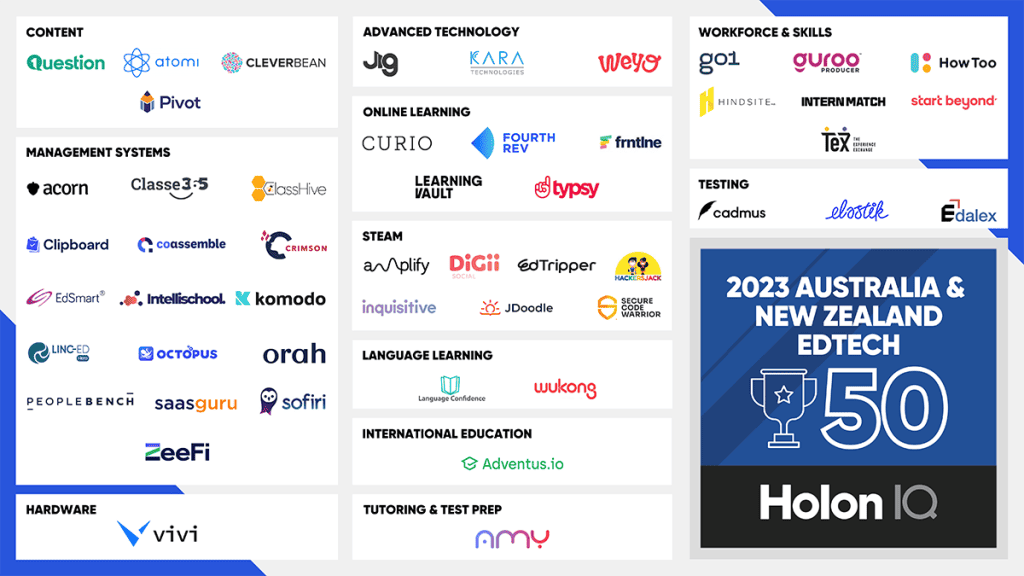
Edalex, the company powering organisations’ single source of truth for skills and learning data, is thrilled to announce its inclusion in the prestigious HolonIQ 2023 ANZ EdTech 50 list, marking the fourth consecutive year the company has been recognised by HolonIQ for its contributions to the Australia and New Zealand education technology landscape.
Edalex’s Credentialate platform named finalist in the prestigious Supes’ Choice Awards
Edalex, the company powering organizations’ single source of truth for skills and learning data, is thrilled to announce that its innovative Credentialate platform has been recognised as a finalist in the College and Career Readiness Solution category of the prestigious Supes’ Choice Awards. The Supes’ Choice Awards, presented by the Institute for Education Innovation, celebrates exceptional contributions to the field of education technology that are making a positive impact in K-12 and higher education settings.
Edalex announces significant enhancements to their Credentialate platform
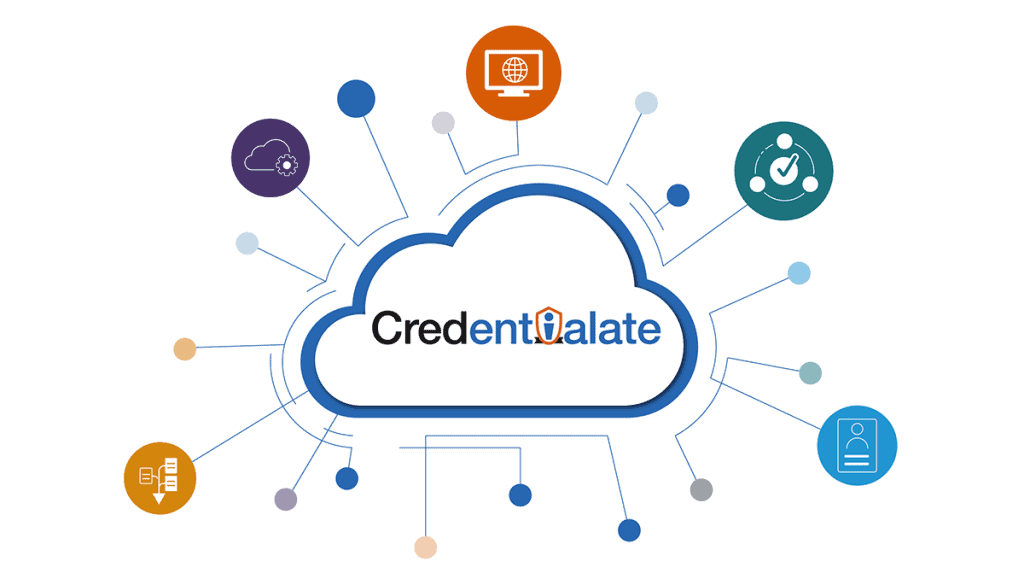
Edalex, the company powering organisations’ single source of truth for skills and learning data announces the release of significant enhancements to their Credentialate platform that includes built-in digital credential agent capabilities, a learner dashboard, and a WC3-compliant digital backpack. These enhancements ensure that Credentialate offers a never-before-seen end-to-end solution for skills-focused providers.
Community Colleges: Stacking Credentials as a Bridge to Higher Education

Community colleges traditionally were created to address the population of learners who pursued two-year degree programs, which often led to transferring into a four-year university degree. However, as global skills gaps have increased, the need to shift from a traditional student demographic and outcome, to one that meets the needs of lifelong learners seeking to re-skill or upskill to stay relevant, has become critical. Lack of funding and infrastructure created challenges for many community colleges seeking to pivot to meet this new demand.
Edalex named Outstanding EdTech Provider finalist in the Victorian International Education Awards 2023
Edalex, the EdTech company powering organisations’ single source of truth for skills and learning data, is thrilled to announce its selection as a finalist in the Outstanding EdTech Provider category in the prestigious Victorian International Education Awards 2023. The Victorian International Education Awards serve as a platform to highlight and acknowledge the remarkable efforts of […]
The Next Generation Learner: How to Deliver Visibility, Mobility and Personalisation

There’s been a pretty constant and repeated refrain that we need reform and innovation in education to create a more equitable and inclusive learning and employment system. And it’s been believed for about the same amount of time that we will need technology to enable scale, trust and security.
Edalex rich skill descriptor (RSD) library, openRSD, integrated in new Muzzy Lane release of AI-driven SkillBuild platform
Edalex, the company powering your single source of truth for skills and learning data and Muzzy Lane, a company helping educational institutions and companies identify and deal with the skills gap in the workplace through the use of simulations, announce the integration of openRSD rich skill descriptor (RSD) libraries in Muzzy Lane’s release of their […]
Edalex wins Badging/Credentialing Solution Award and selected as finalist in the Skills Solution category in The EdTech Awards 2023
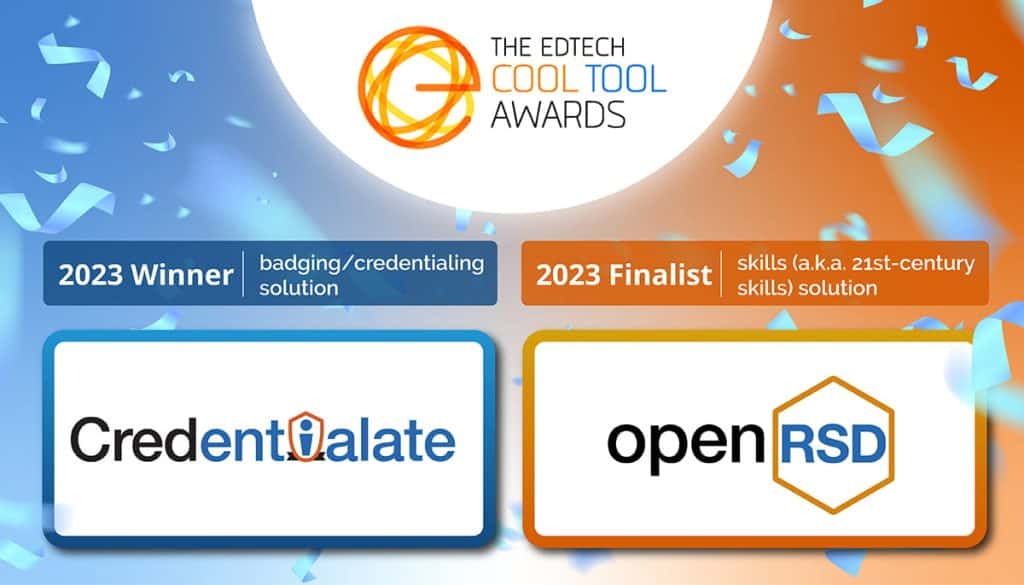
Edalex, the company powering your single source of truth for skills and learning data, has won the EdTech Badging/Credentialing Solution Award in The EdTech Awards 2023 for Credentialate, its Credential Evidence Platform. Edalex’s openRSD platform was also announced as a finalist in the Skills Solution (a.k.a. 21st-Century Skills) category.
How Connecting Degrees to Careers Can Address the Decline in Degree Value

Four-year degrees have seen a marked drop in enrolment and completion rates in recent years. Learners are critically weighing the value of full degrees against typically shorter, less expensive skills-based learning, to quickly develop high-demand workplace skills. The investment in time and money – with no guarantee of work at the end – and the rise of skills-based hiring among employers are some of the key factors contributing to the decline in the perceived value of traditional degrees. In this information-rich Credentialate Guide, we ask – How much has the education landscape changed? What are the factors impacting enrolments? Where are learners going instead? And how can educators bolster the perceived value of degrees by connecting them more directly to work?